
Why synthetic thatch palm leaves are the future trend in resort construction
- A-thatch
- April 13,2026
- 1:53PM
Exploring Synthetic Bamboo Applications: Top Scenarios & Uses
Synthetic bamboo applications are reshaping how architects, product designers, and homeowners approach durability and aesthetics. Consequently, a common question arises: What are the best scenarios to use this innovative material? By combining a natural appearance with engineered performance, artificial bamboo outlasts organic materials in high-moisture, high-UV, and high-wear environments.
Top Synthetic Bamboo Applications in Outdoor Spaces
Many synthetic bamboo applications begin outdoors, where moisture, temperature swings, and sun exposure quickly degrade organic materials. Therefore, upgrading to engineered bamboo is a smart, long-term choice. For instance, it is highly suitable for:
Fences and Privacy Screens: Creating strong boundaries that withstand harsh weather without rotting or splitting.
Decorative Garden Walls: Adding an exotic touch to courtyards while doubling as functional windbreakers.
Outdoor Furniture: Because it resists mold and UV rays, it is ideal for pool decks and coastal areas where heavy humidity is persistent.
Interior Design and Decorative Uses
Indoors, facility managers and homeowners value the visual warmth of natural wood but want to avoid issues like splintering or insect damage. Furthermore, interior synthetic bamboo applications support a beautifully natural look with zero maintenance. Specifically, these uses include:
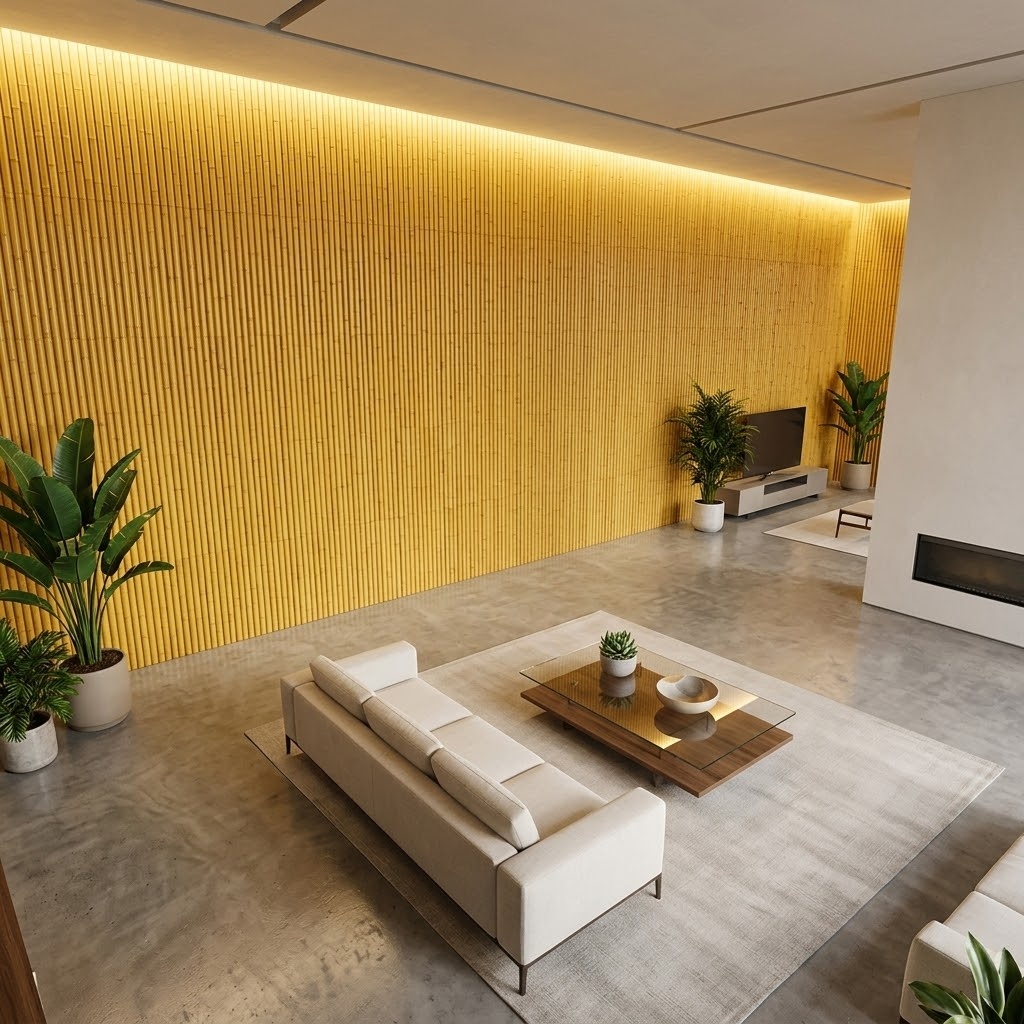
Wall Accents and Panels: These installations perfectly complement biophilic design styles, bringing the outdoors inside.
Room Dividers: Stylish partitions that divide rooms without sacrificing open space or natural light.
Ceiling Embellishments: Delivering both elegance and practicality to contemporary living spaces.
Commercial and Architectural Integrations
In commercial spaces, artificial bamboo enhances aesthetic appeal while drastically simplifying upkeep. Moreover, it provides a sophisticated look that suits restaurants, office buildings, and hospitality settings. Architects favor this material for its incredible versatility. As a result, key commercial uses include:
Decorative facades and exterior soffits.
Lobby and reception area feature walls.
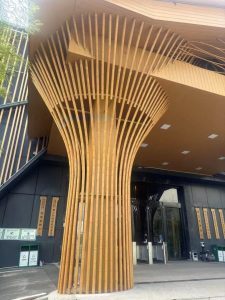
Outdoor structures such as resort pergolas and cabanas.
Sustainability and Future Trends
Ultimately, utilizing durable materials represents a major step toward sustainable development. By reducing our reliance on vulnerable natural resources, we actively support longer product lifecycles. Looking ahead, emerging trends point to even broader uses across various industries. In fact, we are seeing increased integrations in smart home designs and zero-waste initiatives.
Conclusion
In conclusion, whether your project involves a privacy fence, a lobby feature wall, or commercial architectural elements, modern synthetic bamboo applications provide a practical, design-forward solution. It perfectly delivers the beauty of nature alongside the unmatched resilience of modern engineering.
Categories
Related content
Bamboo Wall Paneling: 5 Creative Ways to Use It in Your Home
What are the scenarios where synthetic bamboo can be applied?
Synthetic bamboo mat benefits: top reasons to choose one
Advantages of Synthetic Bamboo Fencing: Durable & Eco-Friendly Solutions
Synthetic Bamboo vs Natural Bamboo: Best for Fences & Panels