
Synthetic Bamboo vs Natural Bamboo: Best for Fences & Panels
- A-thatch
- 25 March,2026
- 12:03 PM
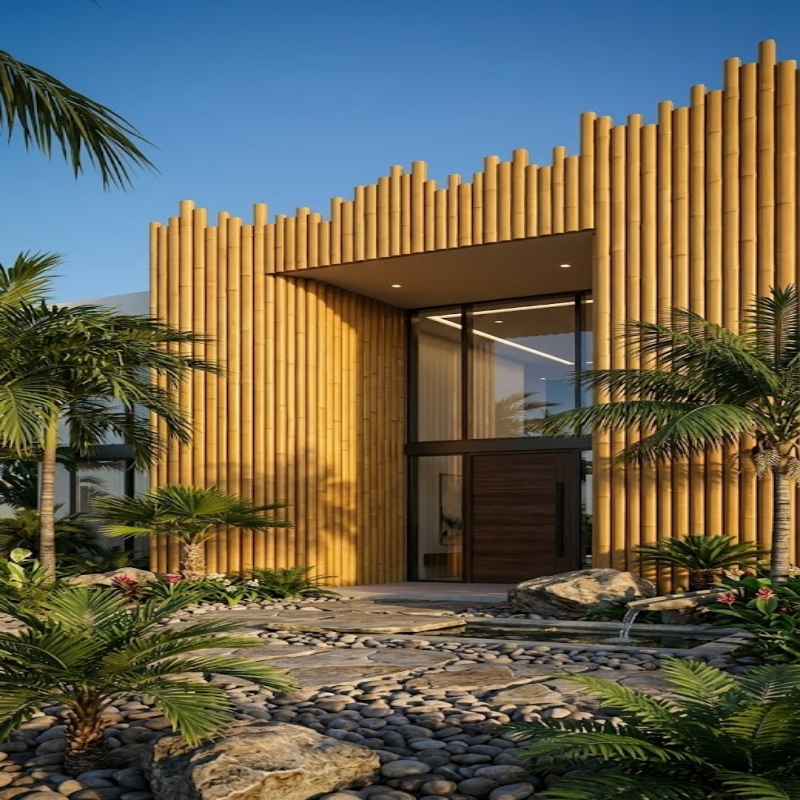
Synthetic Bamboo vs Natural Bamboo: Choosing the Best Fence Panels
When designing a tropical oasis or a modern privacy screen, deciding between synthetic bamboo vs natural bamboo is the most critical choice you will make. Consequently, both options offer distinct advantages for homes and gardens. However, understanding their core differences in durability, maintenance, and outdoor performance will ultimately help you make the smartest long-term investment for your property.
Natural Bamboo: Authentic Beauty with High Upkeep
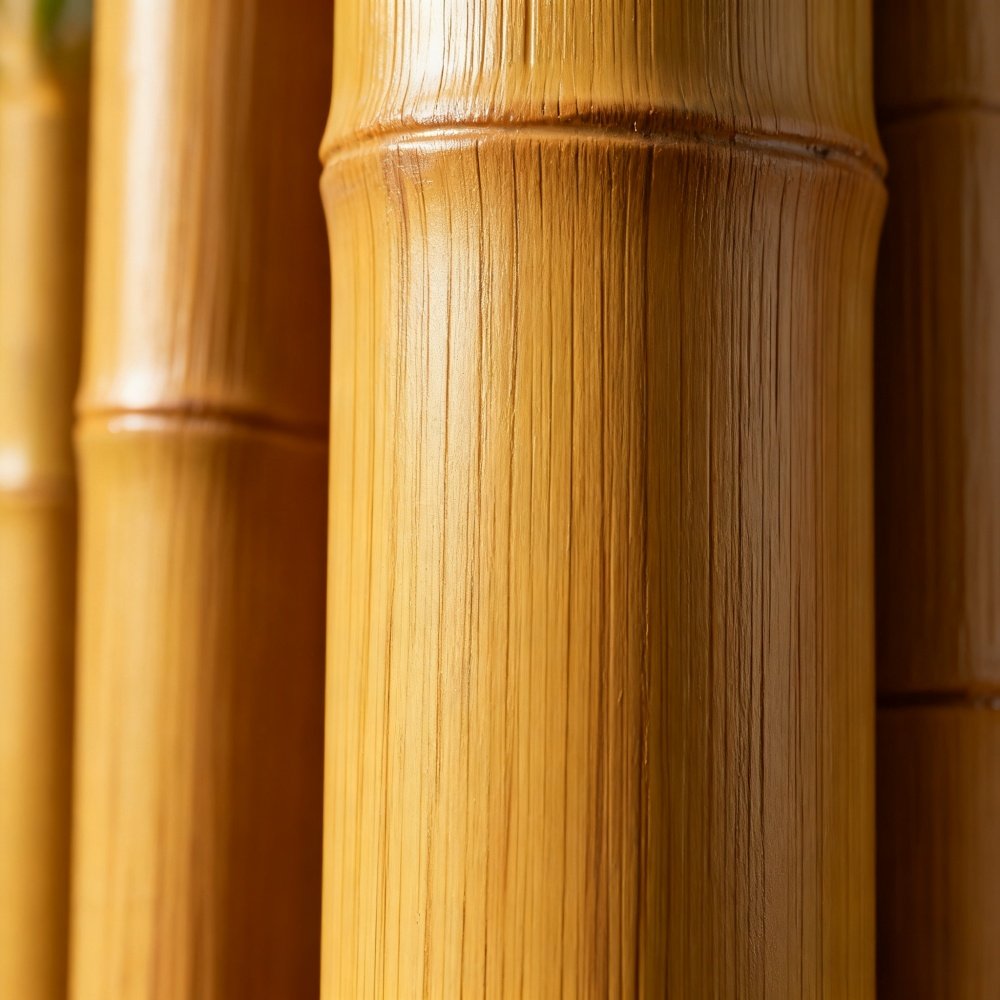
Natural bamboo is renowned worldwide for its strength and flexibility. Indeed, its organic aesthetic makes it a highly desirable material for privacy fences and decorative wall panels.
Nevertheless, because it is a plant-based material, it is highly vulnerable to environmental factors. Specifically, heavy moisture, wood-boring insects, and UV degradation can quickly damage untreated poles. To combat this, homeowners must regularly treat and seal the material to prevent rot, splitting, and color fading.
Synthetic Bamboo: Engineered for Maximum Durability
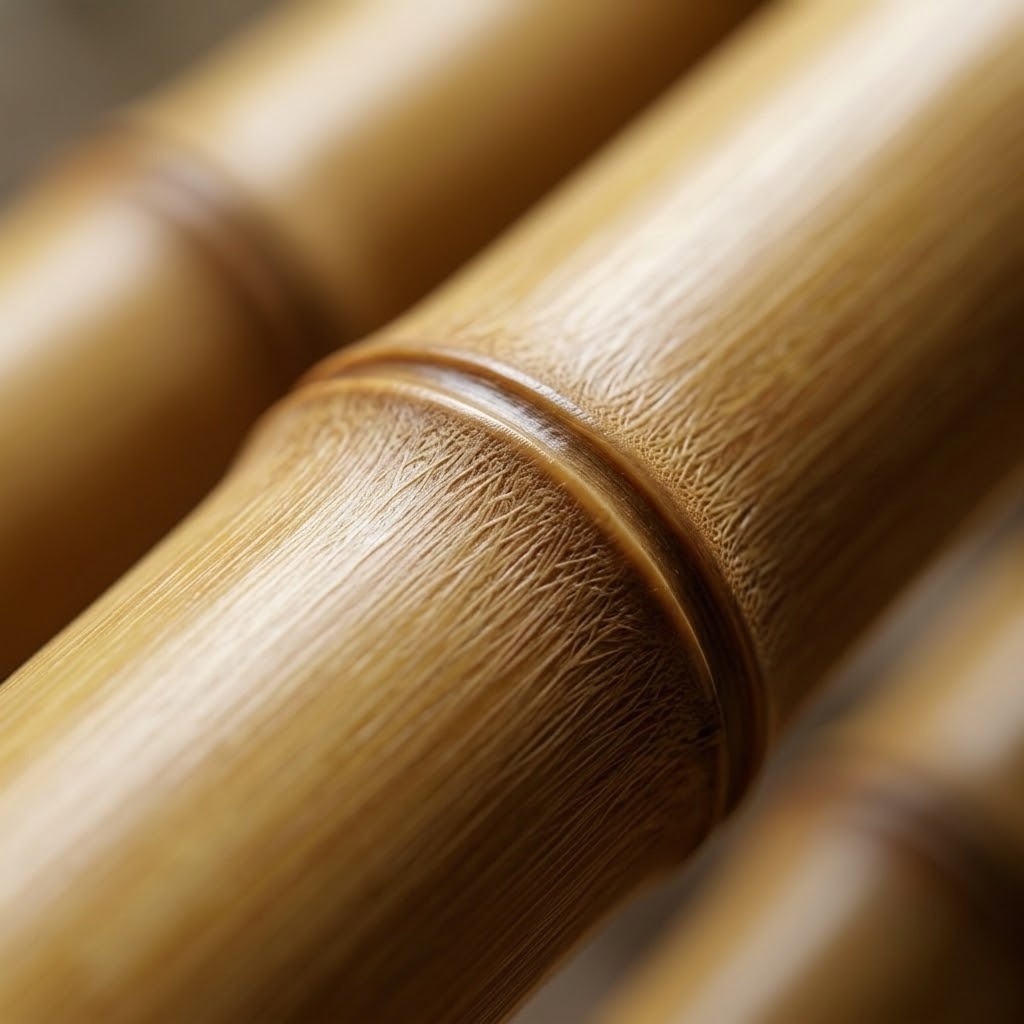
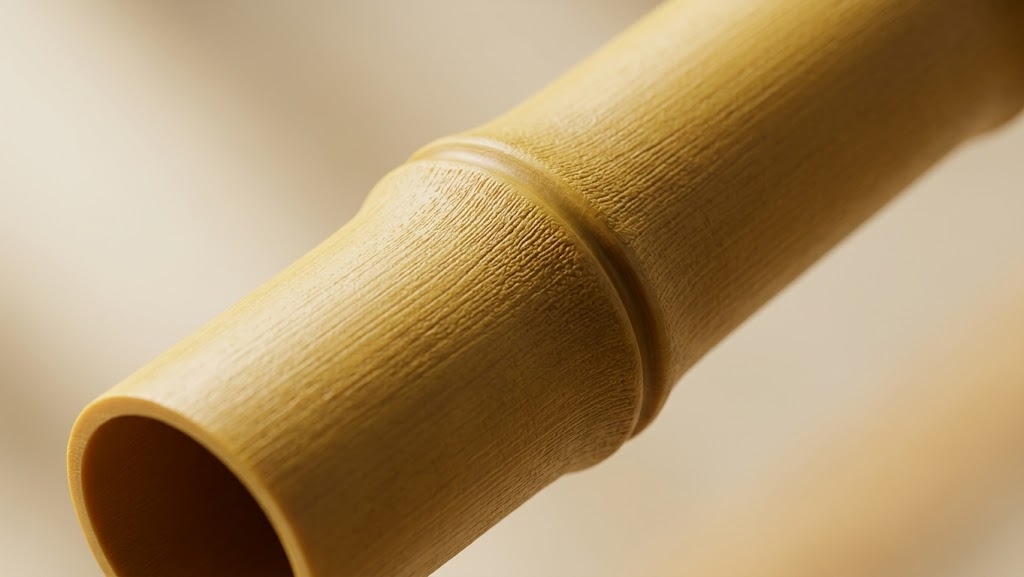
In contrast, manufacturers create engineered bamboo from robust materials like PVC, HDPE, or high-grade composite polymers. By specifically designing these panels to withstand harsh outdoor conditions, they perfectly mimic the appearance of real wood without the typical organic drawbacks.
Moreover, engineered panels inherently resist moisture, pests, and sun damage. Unlike natural wood, they will not warp, rot, or lose their structural integrity over time, making them incredibly reliable for long-term landscaping.
Synthetic Bamboo vs Natural Bamboo: A Practical Comparison
To truly understand the synthetic bamboo vs natural bamboo debate, you must look at the long-term upkeep required for both materials. Below is a practical breakdown of what property owners can expect:
| Feature | Natural Bamboo | Synthetic Bamboo |
| Maintenance | High (Requires chemical sealing every 1–2 years) | Zero (Simply wipe clean with soap and water) |
| Weather Resistance | Prone to fading, splitting, and rot | 100% Waterproof and UV-stabilized |
| Pest Resistance | Vulnerable to termites and nesting insects | Pest-proof (No organic food source) |
| Aesthetic Appeal | 100% Authentic, though variations exist | Highly realistic, with a consistent, uniform appearance |
Caring for Natural Materials
Maintaining an organic fence requires dedicated, regular attention. For example, depending on your local climate, you must reapply a protective sealant annually to guard against moisture intrusion. Additionally, you must frequently clean the surfaces with a soft brush to remove damaging dirt and mildew.
Caring for Synthetic Materials
On the other hand, artificial panels require significantly less effort. Because the composite material naturally resists environmental degradation, you can completely skip the toxic chemical treatments. Instead, a quick wash with a garden hose or mild soap is all it takes to keep the installation looking brand new.
Making Your Final Choice
When finalizing your landscaping project, carefully consider your lifestyle and budget. First, if you prioritize a low-maintenance yard with superior durability, engineered synthetic panels are undeniably the smarter choice. Ultimately, they provide the exact tropical look you want without the exhausting weekend chores.
Conversely, if you highly value complete authenticity and eagerly embrace regular outdoor upkeep, organic poles remain a beautiful, traditional option for your garden space.
Categories
Related content
Upgrading Your Resort: Creating a Tropical Bamboo Wall That Passes Fire Codes
What are the scenarios where synthetic bamboo can be applied?
Synthetic bamboo mat benefits: top reasons to choose one
Advantages of Synthetic Bamboo Fencing: Durable & Eco-Friendly Solutions
Bamboo Wall Paneling: 5 Creative Ways to Use It in Your Home