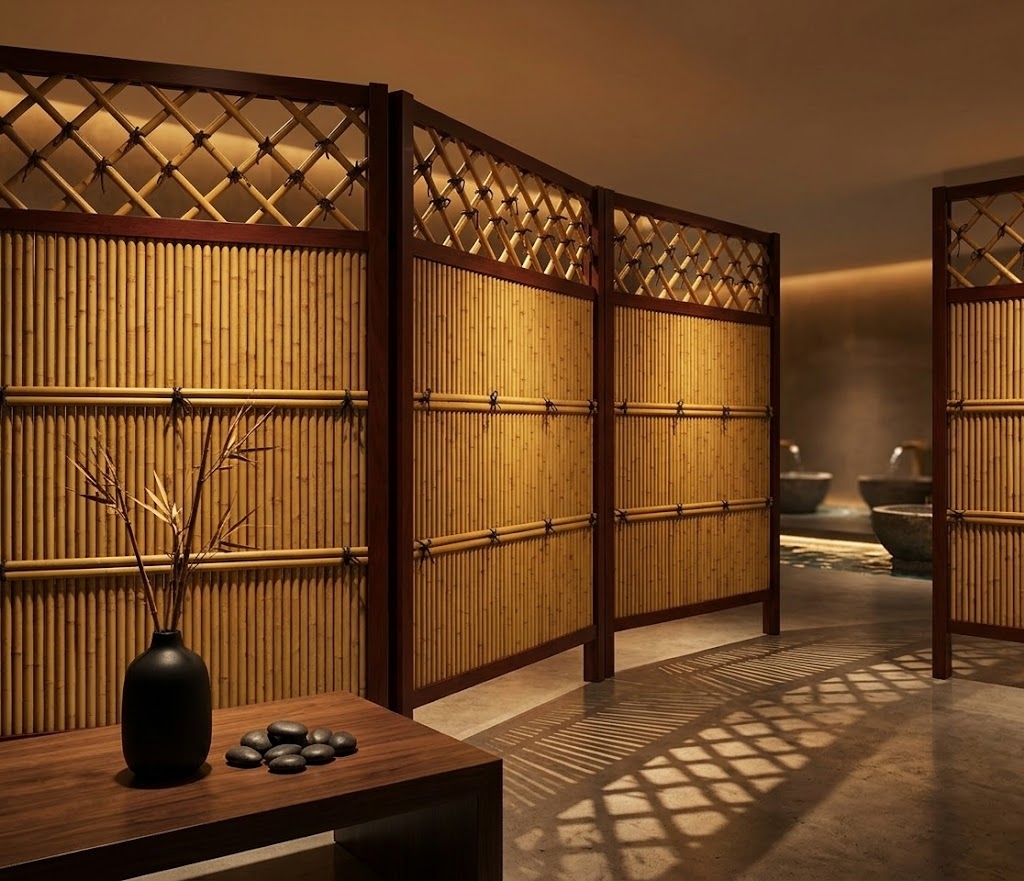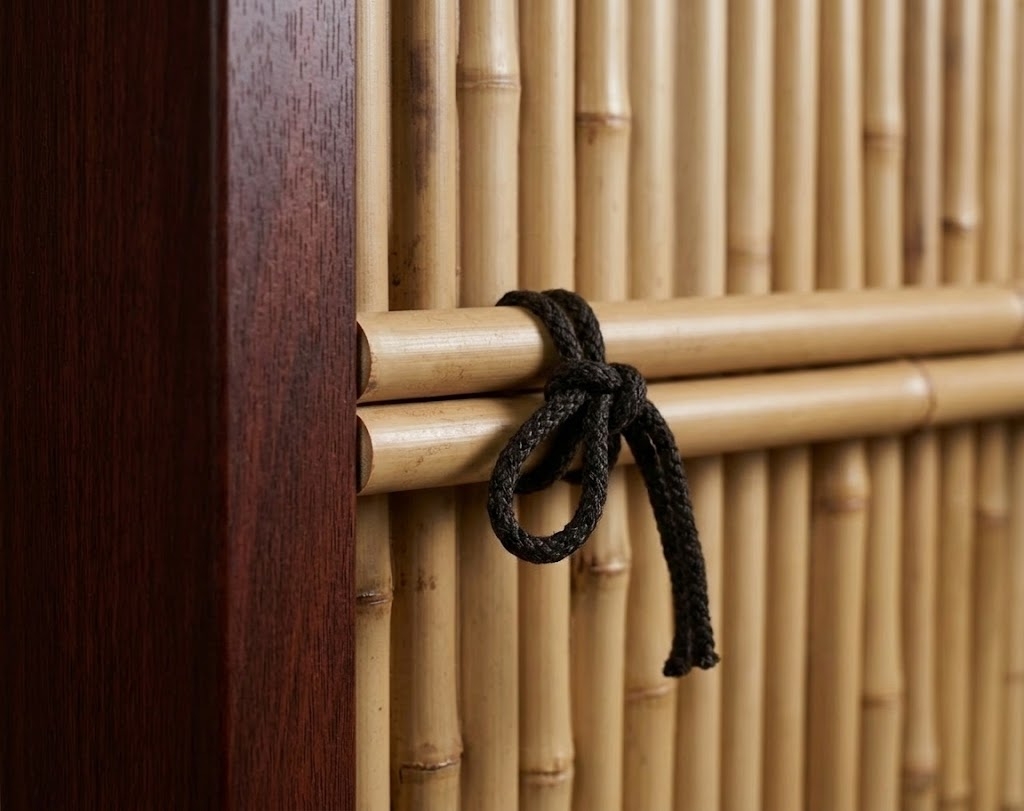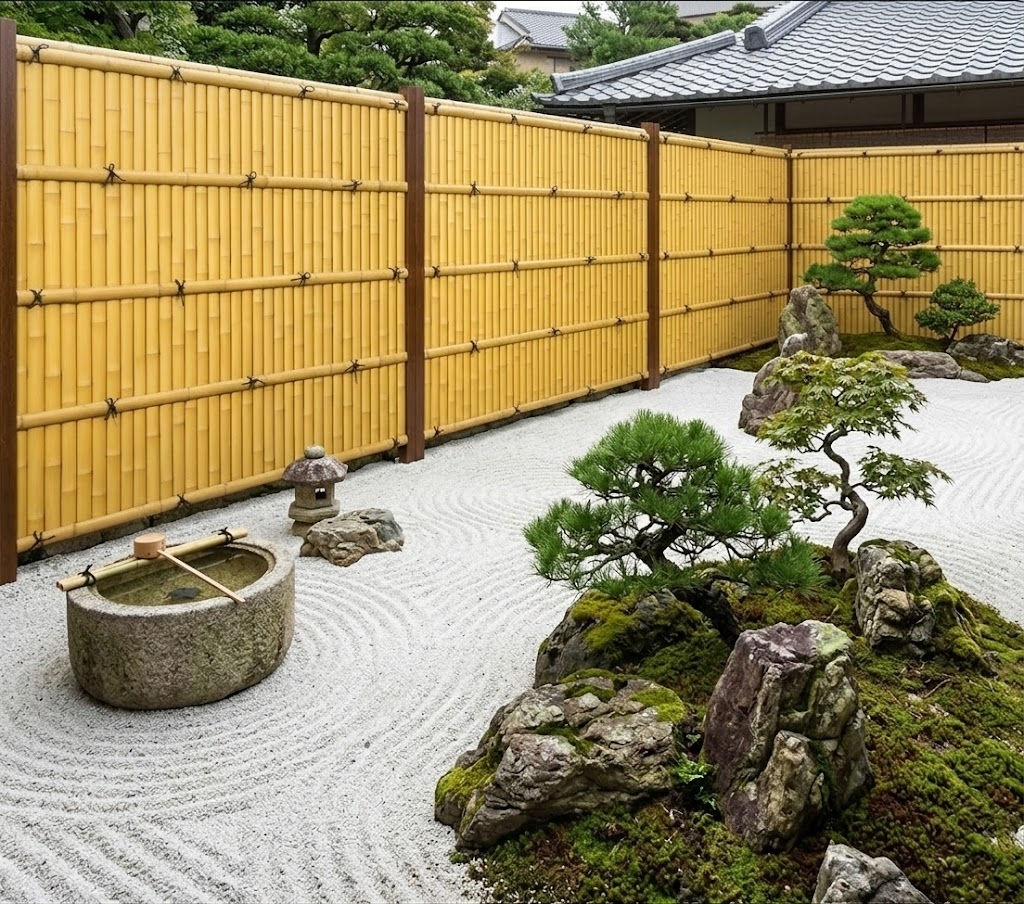

Bamboo Privacy Fence: Elevate Your Outdoor Decor Instantly
- A-thatch
- May 8,2026
- 10:08PM
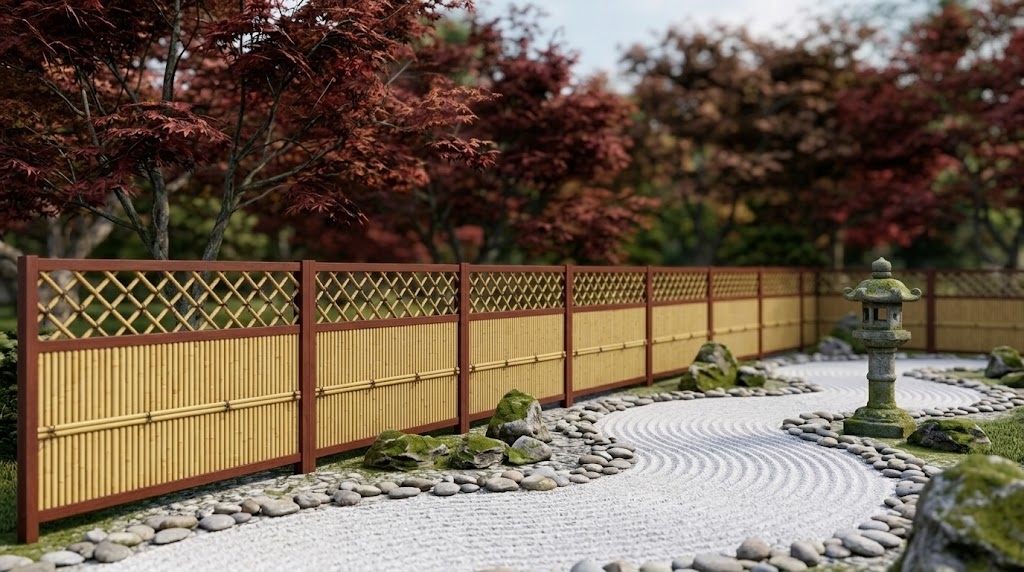
Japanese Fence: Achieve Timeless Zen Beauty with HDPE Synthetic Materials
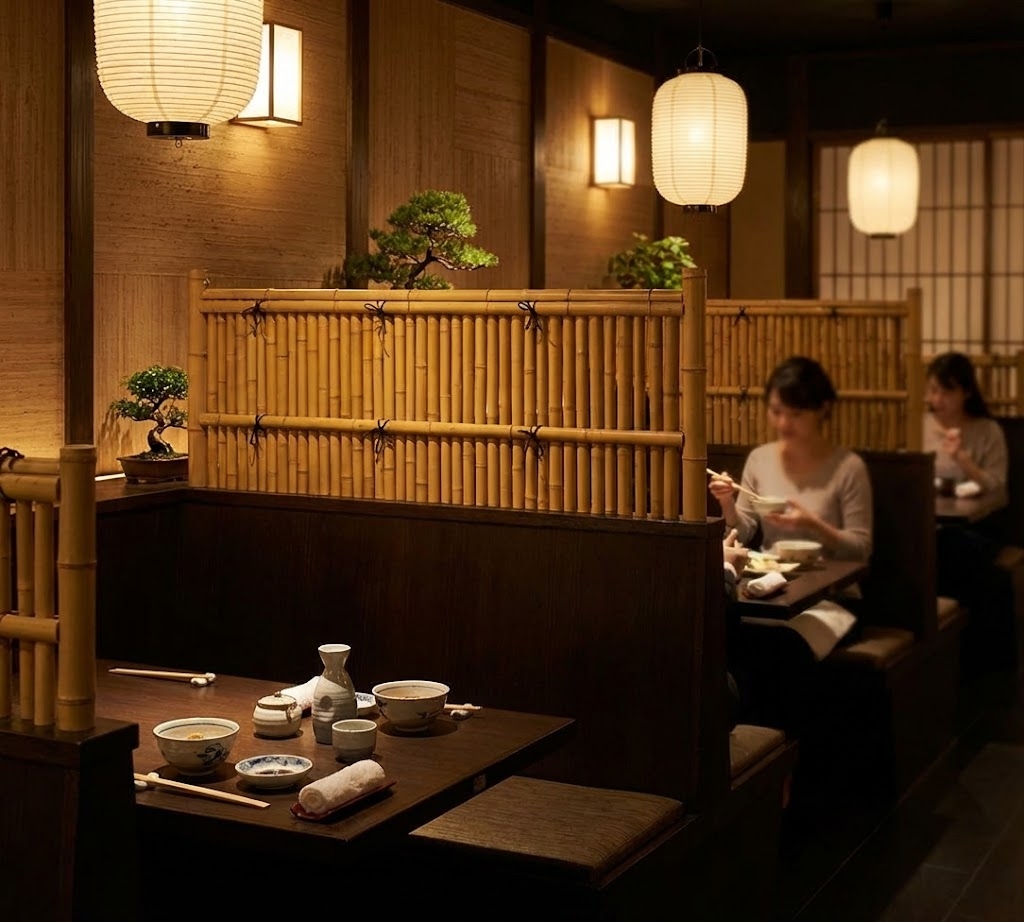
Installing a japanese fence is the best way to create a traditional Zen garden with perfect harmony and balance. Therefore, choosing the right perimeter materials is essential for your landscape design. Specifically, a high-quality japanese fence provides the necessary structure and elegance for a peaceful outdoor retreat. If you want a lasting aesthetic, HDPE synthetic materials offer the perfect solution.
In this guide, we explore how modern designers recreate ancient aesthetics. Furthermore, we will show you how to install a maintenance-free barrier in your own yard.
Why Choose an HDPE Japanese Fence?
Traditional Japanese gardens often feature natural bamboo structures. However, organic materials quickly rot and lose their vibrant color. Conversely, a premium HDPE japanese fence maintains its original beauty for decades. Here is why high-end landscapers prefer synthetic HDPE materials:
Authentic Textures without Decay: Natural bamboo graying often ruins a carefully planned Japanese garden design. Instead, High-density polyethylene (HDPE) retains its warm, golden tones forever. Consequently, your garden always looks pristine and well-kept.
Superior Weather Resistance: Unlike wood, HDPE material does not absorb water. Therefore, it effectively resists mold and algae growth. This durability is crucial for maintaining the clean lines of a traditional Japanese bamboo fence.
No Fading or Cracking: Intense UV rays cause natural stalks to split and crack. As a result, your Japanese privacy screen eventually falls apart. However, synthetic HDPE panels include advanced UV stabilizers. Ultimately, they withstand the harshest sun without any structural damage.
Pest-Proof Longevity: Insects often nest in organic bamboo fibers. Consequently, your fencing becomes a home for unwanted pests. Conversely, synthetic polymers offer no food source for bugs. Thus, your retreat remains clean and pest-free.
Designing Your Space with a Zen Garden Fence
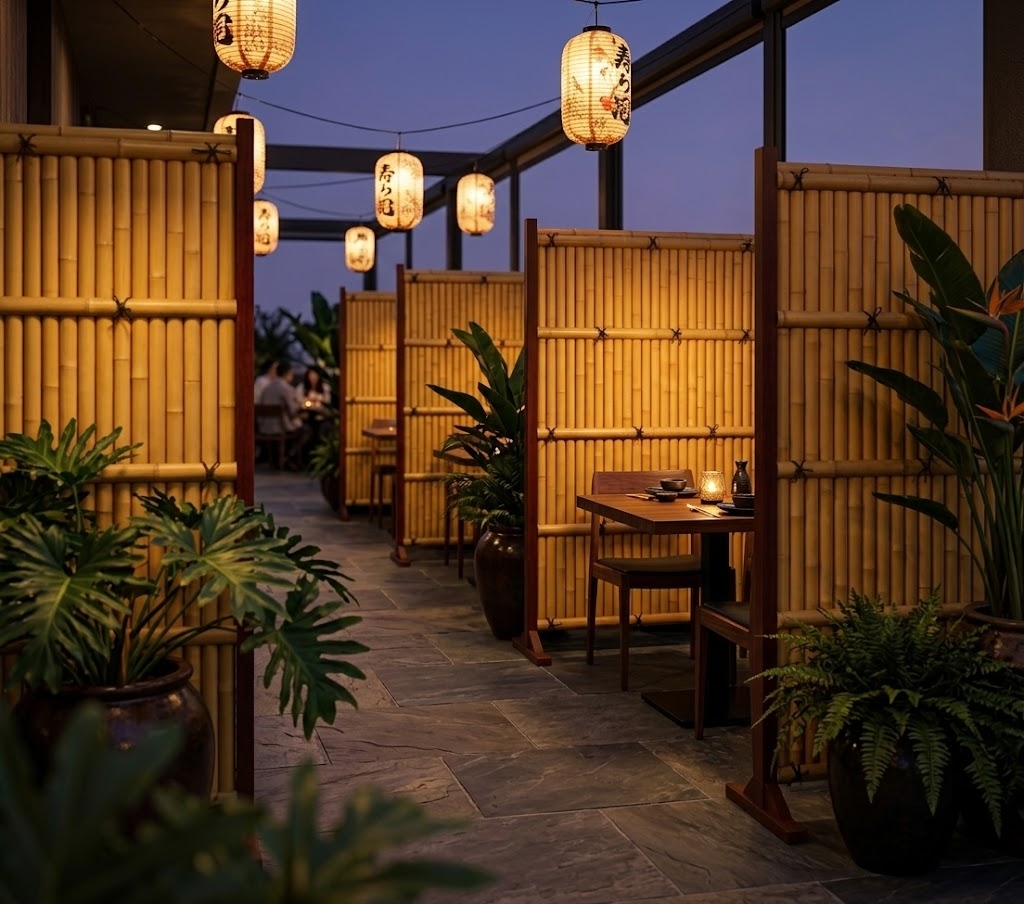
Integrating a japanese fence into your yard is a simple process. First, identify the key areas where you need visual separation. For example, use these panels to frame a stone path or a small water feature.
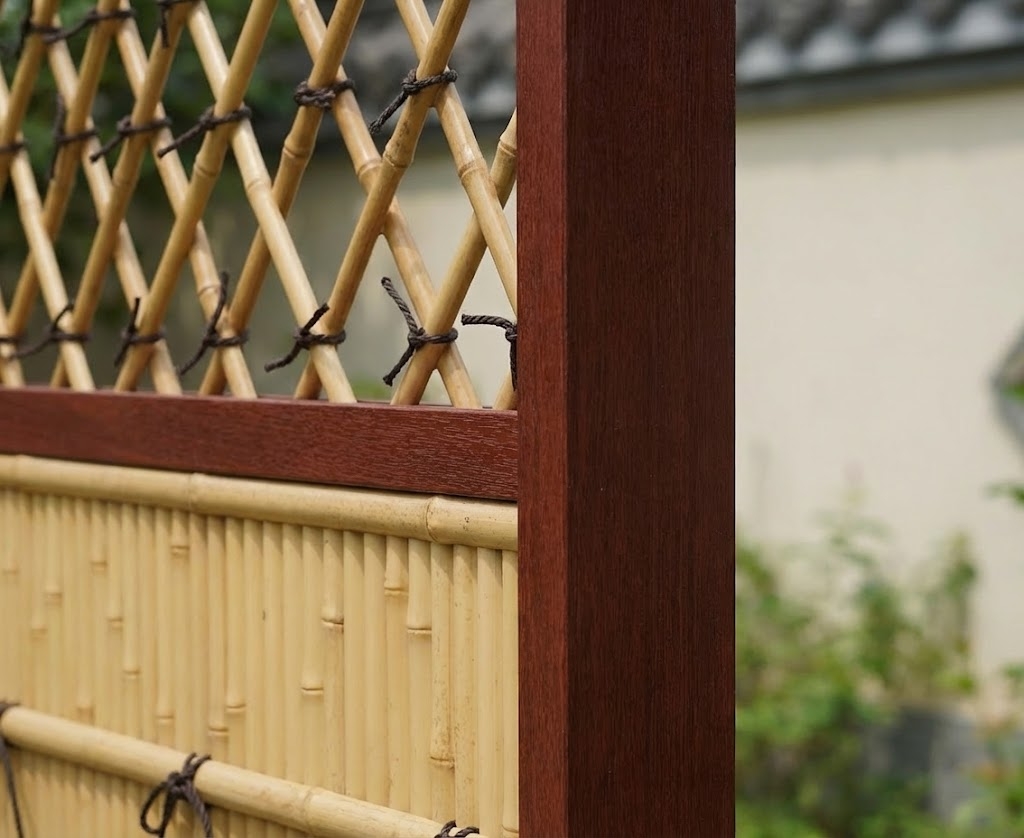
For a truly authentic look, consider our Synthetic Kenninji Gaki Bamboo Fence. This traditional Japanese fencing style provides a solid, gap-free screen for total privacy. Next, focus on the surrounding elements. You might want to learn more about Zen philosophy in landscaping to enhance your layout.
By adding smooth river rocks and moss, you create a complete sensory experience. Finally, secure your lightweight panels with heavy-duty ties for a clean, professional finish.
Matching Your Japanese Privacy Screen with Other Features
If you want a truly cohesive tropical or Asian-inspired theme, look beyond your japanese fence. Specifically, your roof structures should match the high quality of your walls.
Consider pairing your fence with our world-class synthetic thatch roofing for your gazebos or tea houses. Consequently, this combination provides a seamless, high-end look. Best of all, your entire outdoor space will require absolutely zero maintenance.
Conclusion
Building a tranquil outdoor sanctuary with a japanese fence is a rewarding creative project. First, by selecting a premium HDPE material, you ensure your investment lasts for many years. Next, you eliminate the stress of annual staining and cleaning. Finally, you can sit back and enjoy the perfect balance of nature and technology. Experience the permanent beauty of a maintenance-free Zen garden today!
Categories
Related content
Bamboo Wall Paneling: 5 Creative Ways to Use It in Your Home
What are the scenarios where synthetic bamboo can be applied?
Synthetic bamboo mat benefits: top reasons to choose one
Advantages of Synthetic Bamboo Fencing: Durable & Eco-Friendly Solutions
Synthetic Bamboo vs Natural Bamboo: Best for Fences & Panels