
Advantages of Synthetic Bamboo Fencing: Durable & Eco-Friendly Solutions
- A-thatch
- 26 March,2026
- 3:13 PM
Advantages of Synthetic Bamboo Fencing: The Ultimate Guide
If you are looking to upgrade your property’s perimeter or create a stunning outdoor retreat, synthetic bamboo fencing is rapidly becoming the top choice for modern landscaping. By combining the exotic appeal of natural wood with industrial-grade engineering, this innovative solution completely solves the traditional problems of rotting, splitting, and pest infestations.
What Is Synthetic Bamboo Fencing Made Of?
Natural bamboo is undeniably beautiful, but it deteriorates quickly under harsh weather. In contrast, engineered artificial fencing relies on advanced polymers to replicate the exact aesthetic charm of nature without any of the drawbacks.
Specifically, premium synthetic panels are manufactured using three robust materials:
| Material | Full Name | Primary Benefit |
| HDPE | High-Density Polyethylene | Extreme strength, flexibility, and 100% waterproof performance. |
| PA | Polyamide (Nylon) | High wear resistance and remarkably lightweight for easy installation. |
| ASA | Acrylonitrile Styrene Acrylate | Superior UV resistance to prevent color fading under direct sunlight. |
The Main Advantages of Synthetic Bamboo Fencing
Upgrading to engineered materials provides undeniable long-term benefits for both residential and commercial properties. Here is why landscapers and homeowners are making the switch:
Extreme Durability: Because it is molded from robust plastics, it actively resists moisture, severe weather, and cracking.
Zero Pest Issues: Termites and insects cannot feed on polymers, completely eliminating the need for chemical pest control.
Low Maintenance: Unlike natural wood that requires regular painting or sealing, artificial panels retain their fresh appearance with just a simple wash using mild soap and water.
Cost-Effective: Although the initial investment might be slightly higher, the decades-long lifespan ensures massive savings on future repairs and replacements.
Eco-Friendly and Sustainable Design
Many people mistakenly assume that plastic-based products harm the environment. However, opting for synthetic bamboo fencing is actually a highly eco-conscious decision.
Primarily, these products are often crafted from recycled HDPE, which actively reduces landfill waste. Furthermore, by choosing engineered panels, you completely eliminate the need to harvest real bamboo, helping to preserve natural forest ecosystems. Ultimately, because these materials are fully recyclable at the end of their lifespan, they strongly support a sustainable circular economy.
Versatile Applications for Any Space
Because artificial bamboo delivers a consistent, knot-free finish, it offers remarkable flexibility in design. Whether you prefer a modern, sleek look or a rustic island style, it can seamlessly integrate into your landscape.
Common applications include:
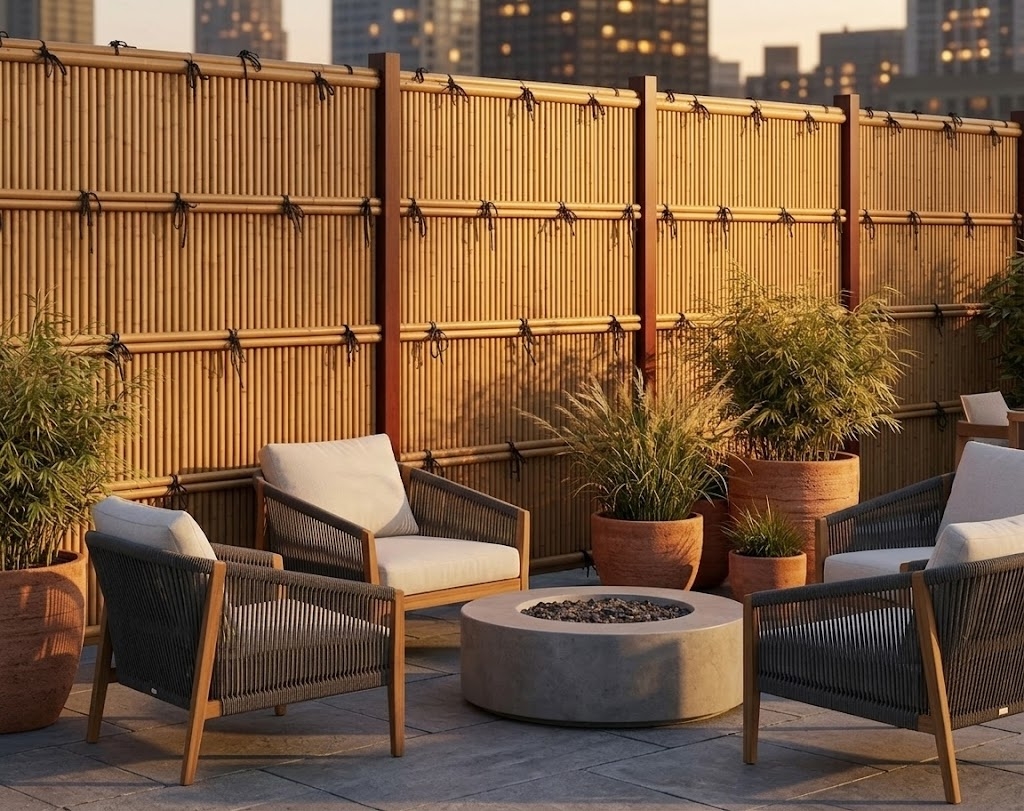
Outdoor Privacy Screens: Blocking unwanted views around patios, hot tubs, and pool decks.
Decorative Indoor Accents: Creating stunning feature walls in hospitality venues or modern living rooms.
Commercial Boundaries: Establishing durable, stylish property borders for resorts and restaurants.
Mixed-Material Designs: Pairing seamlessly with metal frames or concrete pillars for a contemporary aesthetic.
Conclusion: A Smart Long-Term Investment
In summary, choosing synthetic bamboo fencing offers the perfect balance of aesthetic beauty and modern practicality. By investing in highly durable, eco-friendly materials, you drastically reduce your environmental impact while enjoying a completely maintenance-free landscape. Ultimately, it is the smartest upgrade you can make to elevate your outdoor and indoor spaces for decades to come.
Categories
Related content
Upgrading Your Resort: Creating a Tropical Bamboo Wall That Passes Fire Codes
What are the scenarios where synthetic bamboo can be applied?
Synthetic bamboo mat benefits: top reasons to choose one
Bamboo Wall Paneling: 5 Creative Ways to Use It in Your Home
Synthetic Bamboo vs Natural Bamboo: Best for Fences & Panels