
Synthetic Nipa Philippines: A Smart Resort Investment
- A-thatch
- May 14,2026
- 3:19PM
The Future of Tropical Architecture: Why Synthetic Nipa Roofing in the Philippines is the Smartest Investment
From the white sands of Boracay to the surfing capital of Siargao, the Philippines is home to some of the world’s most stunning beachfront resorts. At the heart of this tropical charm is the traditional Bahay Kubo aesthetic, characterized by its iconic thatched roof.
However, as the hospitality industry modernizes and building codes become stricter, depending on traditional dried leaves is no longer viable. Enter the ultimate game-changer for tropical developers: synthetic nipa roofing in the Philippines.
Let’s explore why engineered artificial nipa is outperforming natural thatch and why it is the most profitable long-term investment for commercial properties.
The Problem: The True Cost of Natural Nipa
Many builders initially choose natural nipa because of its low upfront cost. However, the “cheap” organic roof quickly becomes a financial burden. In the tropical climate of the Philippines, natural nipa faces severe challenges:
Typhoon Damage: High winds easily strip away organic leaves, leading to emergency repairs and business closures.
Constant Replacements: Natural thatch rots in high humidity and requires total replacement every 2 to 4 years.
Pest Infestations: Organic roofs are nesting grounds for birds, rats, and termites, requiring expensive pest control services.
Fire Safety Compliance: Untreated natural nipa is highly flammable, making it difficult to pass local commercial fire safety inspections without continuous chemical treatments.
The Solution: HDPE Synthetic Nipa Roofing
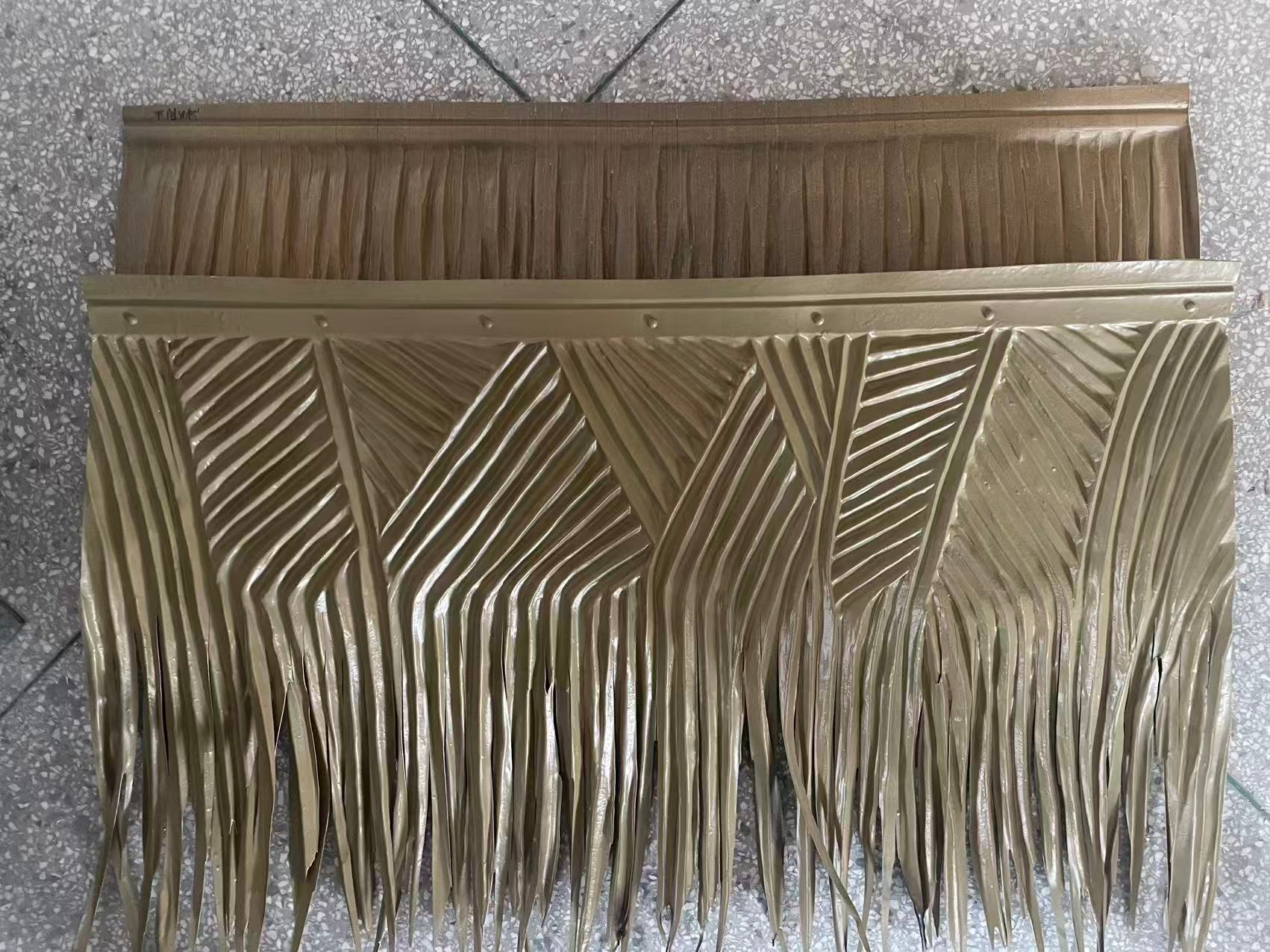
To preserve the authentic island vibe without the endless maintenance, developers are turning to High-Density Polyethylene (HDPE) thatch. Here are the top four reasons why synthetic nipa roofing in the Philippines is dominating the market:
1. Unmatched Durability Against the Elements
Engineered to combat the harshest tropical climates, synthetic nipa is 100% waterproof and features advanced UV inhibitors. It will not fade, crack, or rot under the intense Philippine sun or heavy monsoon rains. With a lifespan exceeding 20 years, it provides peace of mind that organic thatch simply cannot offer.
2. Built-in Class-A Fire Resistance
For hotels and resorts, guest safety is paramount. Premium synthetic nipa is manufactured with fire-retardant additives structurally integrated into the polymer. Unlike topical sprays used on natural thatch that wash away, this built-in Class-A fire resistance is permanent, ensuring you easily meet commercial fire codes.
3. Pest-Proof and Eco-Friendly
Because HDPE is a non-porous polymer, it offers zero nutritional value to insects and fungi. Say goodbye to mold, mildew, and termites. Furthermore, utilizing artificial nipa helps protect the local ecosystem by reducing the overharvesting of natural palm forests, making your resort truly eco-friendly.
4. Wind and Typhoon Resistance
Synthetic nipa panels are designed to be securely fastened to your roof sub-structure. When installed correctly, they can withstand extreme wind uplifts, ensuring your roofing stays intact even during the strong typhoons that frequently visit the Philippine archipelago.
Understanding the ROI: Synthetic vs. Natural Nipa
While the initial material cost of synthetic nipa roofing in the Philippines is higher than buying local dried palm, the Return on Investment (ROI) is unparalleled.
Consider this: Over a 10-year period, a natural nipa roof will require at least three full replacements, constant patching, chemical fire-retardant reapplications, and pest control. An HDPE synthetic nipa roof requires zero maintenance and zero replacements. Usually, within just 4 to 5 years, the synthetic roof pays for itself, saving your business thousands of dollars in the long run.
Upgrade Your Resort Today
Whether you are building a new luxury resort in Cebu or renovating overwater bungalows in Palawan, choosing the right material dictates your future profitability.
Don’t let endless roof maintenance disrupt your business. Embrace the durability of A-Thatch Synthetic Nipa Products and elevate your tropical architecture.
Contact us today to request a free sample and discover how we can supply the best synthetic nipa roofing for your next project in the Philippines!
Categories
Related content
tiki hut roof replacement materials for 2026: best options to stop rot
Thatched Roof: How to Make an HDPE Synthetic Thatch Roof – A-thatch
Synthetic thatch for theme parks and zoos: Which type is best? – A-thatch
Synthetic thatch palm leaves for resort construction – A-thatch
Synthetic Mexican thatched gazebo: DIY look, materials & durability – A-thatch