
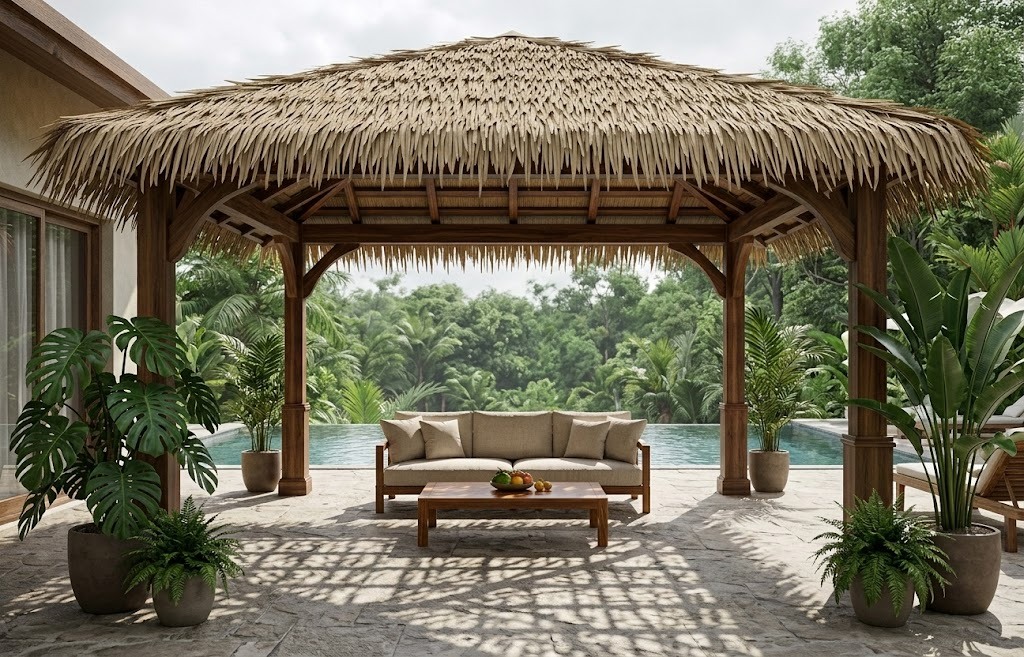
Why Luxury Resorts Are Upgrading Their Bahay Kubo Roof Material
The Bahay Kubo is a true architectural masterpiece, but choosing the right bahay kubo roof material is the most critical decision you will make when building one. Its iconic open-air design and steeply pitched roof are perfectly engineered for tropical climates. For centuries, the default cover has been natural Nipa palm leaves or Anahaw leaves. It is cheap, authentic, and culturally significant.
However, if you visit the newest luxury resorts or high-end residential projects in Southeast Asia today, you will notice a massive shift. Builders are rapidly abandoning these traditional organic materials.
If you are currently planning a commercial project or backyard oasis and searching for the ideal bahay kubo roof material, you need to know why this shift is happening—and what modern material has successfully taken its place.
The Hidden Costs of Traditional Nipa
At first glance, natural dried leaves seem like the perfect, eco-friendly choice. But for modern commercial operations and homeowners who value their time, natural thatch becomes an ongoing nightmare. Here are the three main reasons traditional materials are being replaced:
1. The Typhoon Vulnerability
The tropics are infamous for devastating typhoons and severe monsoon seasons. Traditional Nipa, even when tightly woven, becomes brittle over time. Under high-speed winds, natural leaves tear and blow away easily, leading to massive interior water damage. Rebuilding the roof after every storm season is incredibly costly.
2. The Fire Hazard Reality
Dried palm leaves are highly flammable. In commercial settings like resorts, restaurants, or even backyard BBQ areas, a stray spark can ignite the entire structure in seconds. Passing modern fire safety codes with natural bahay kubo roof material is almost impossible without soaking the leaves in toxic, temporary chemical retardants every few months.
3. The Endless Cycle of Rot
In a humid environment, organic matter is destined to rot. Natural Nipa traps moisture, attracts mold, and becomes a nesting ground for insects and rodents. Typically, a natural roof requires a complete, expensive replacement every 2 to 3 years.
Buyer’s Guide: Choosing the Best Bahay Kubo Roof Material
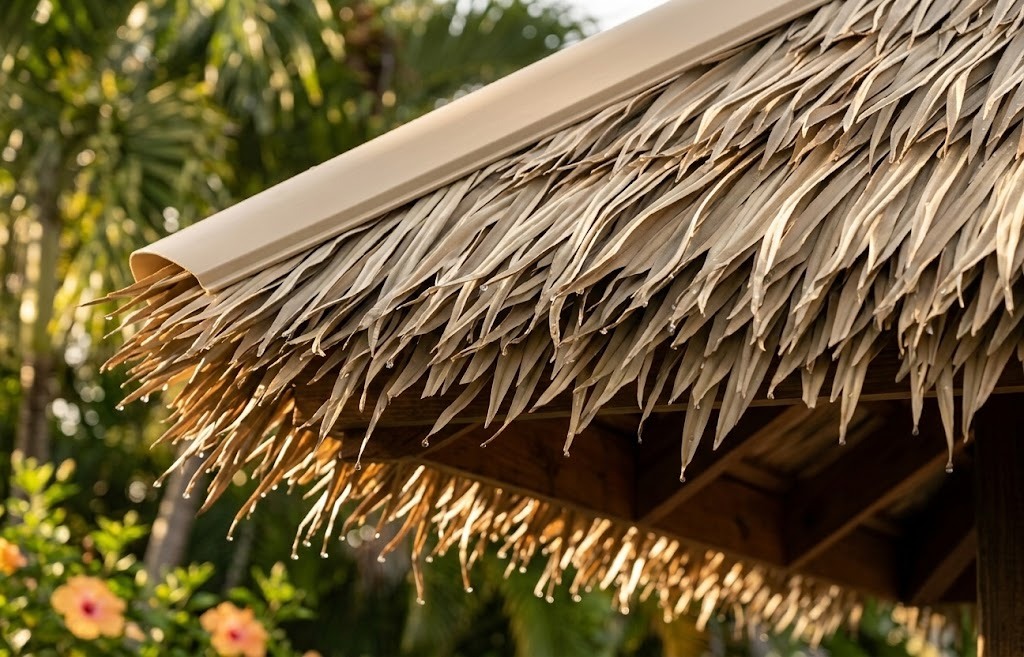
When selecting a material for your tropical project, you must weigh upfront costs against long-term durability. A smart investment requires a material that can withstand harsh weather while retaining its visual charm.
Architects didn’t want to lose the beautiful, rustic aesthetic of the traditional hut, but they desperately needed structural perfection. Enter the ultimate modern bahay kubo roof material: Premium Synthetic Thatch.
Manufactured from commercial-grade High-Density Polyethylene (HDPE), premium synthetic materials are revolutionizing tropical architecture. Here is why the hospitality industry has made the definitive switch:
Indistinguishable Authentic Look: Advanced molding technology perfectly replicates the texture, color variations, and irregular edges of natural Nipa and Anahaw.
Engineered for Typhoons: Synthetic panels are securely screwed directly into the roof battens. They are wind-tested to withstand hurricane-force gales without tearing or flying off.
Permanent Fire Resistance: Premium products feature built-in, Class-A fire retardants. The safety is engineered into the polymer itself, meaning it never washes away in the rain.
Zero Maintenance & 20-Year Lifespan: Because HDPE absorbs zero water, it will never rot, mold, or attract bugs. Once installed, it requires zero maintenance for decades.
Is Synthetic the Right Choice for Your Project?
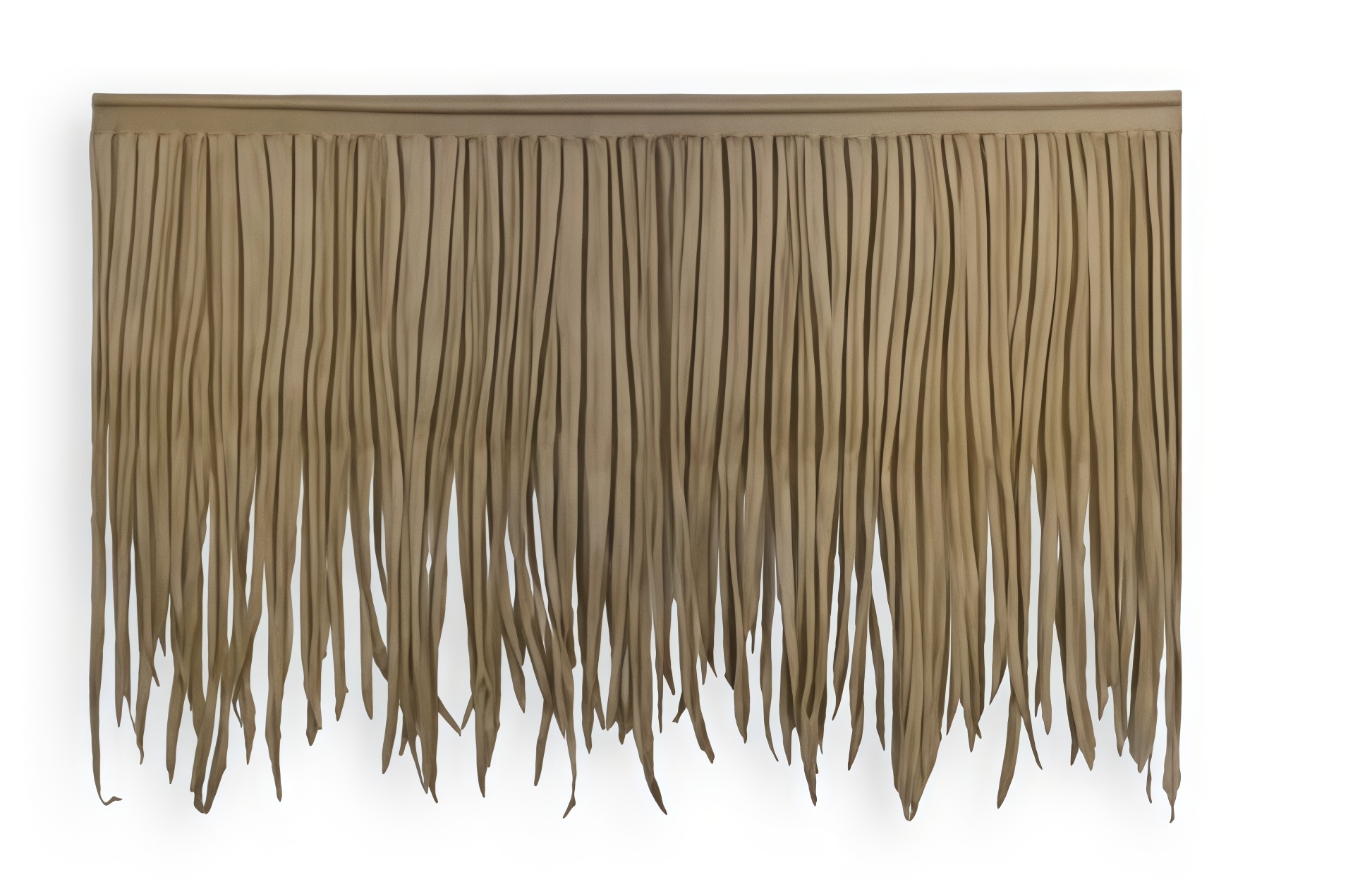
While natural leaves might seem cheaper on day one, the long-term Return on Investment (ROI) of synthetic materials is undeniable. By year three—when a natural roof needs its first costly replacement—the synthetic roof has already paid for itself.
If you want to preserve the soul of traditional tropical architecture without the modern maintenance headaches, upgrading your bahay kubo roof material is the smartest decision you can make for your property.
Ready to future-proof your project? Explore our range of premium Synthetic Nipa Products and discover the lasting beauty of modern landscaping materials today. Feel free to Contact Us for a free sample and consultation!