

tiki hut roof replacement materials for 2026: best options to stop rot
- A-thatch
- April 20,2026
- 10:06AM
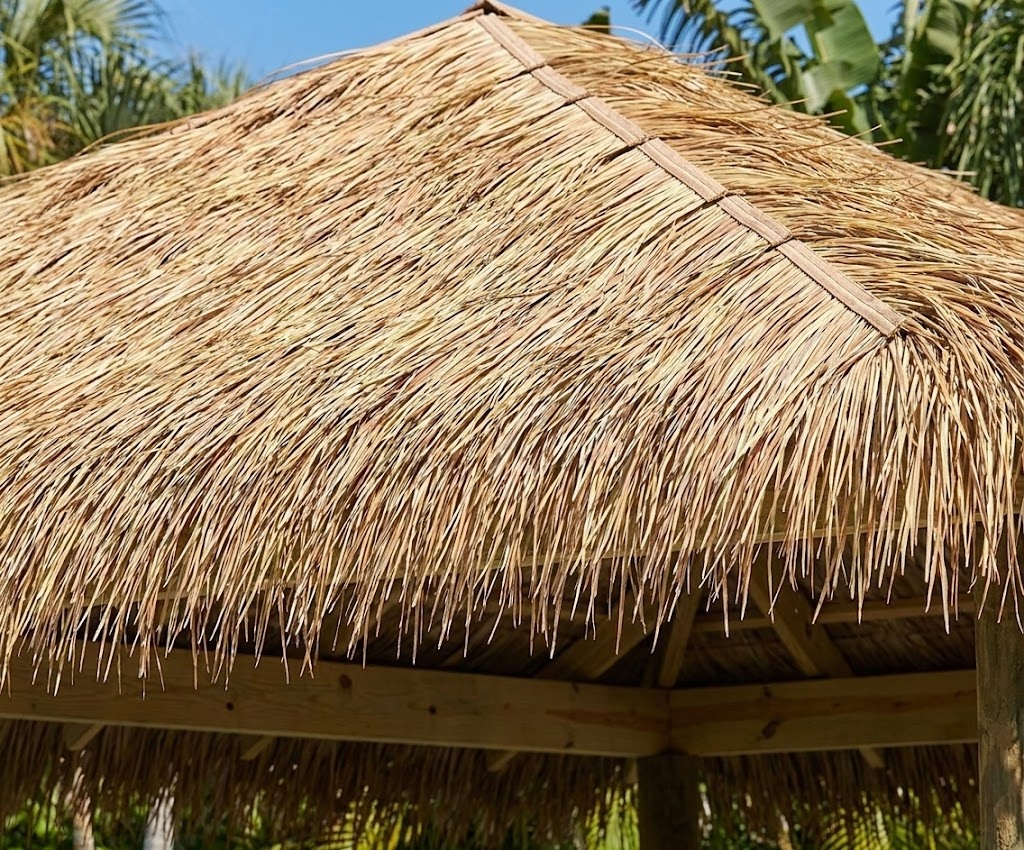
Tired of Rotting Roofs? Best Tiki Hut Roof Replacement Materials in 2026
If you are constantly sweeping “thatch confetti” out of your pool, it’s time for an upgrade. Natural thatch quickly turns damp and musty after just one humid season. When choosing the best tiki hut roof replacement materials, modern synthetic thatch is the smartest way to keep that tropical island vibe while permanently ending the rot cycle.
Why Synthetic Thatch is the #1 Choice for 2026
Natural palm is organic, meaning it naturally breaks down under UV rays, pool chemicals, and heavy storms. Upgrading to engineered synthetic thatch solves the most common backyard headaches:
Zero Rot & Odor: Engineered materials do not absorb water, completely eliminating mildew and damp smells.
Pest-Proof: Because there is no organic food source, it won’t attract insects, birds, or rodents.
Safety First: Premium synthetic options are often Class-A fire-retardant, making them safe around outdoor kitchens, grills, and tiki torches.
Lifespan Comparison: Natural vs. Synthetic
If your main complaint is a rotting roof, it’s hard to justify installing another organic layer overhead. Here is what homeowners can expect based on the material:
| Material Type | Average Lifespan | Maintenance Level |
| Cabbage Palm | 3–5 years | High (frequent shedding & rot) |
| African Reed | 4–6 years | High (vulnerable to high humidity) |
| Synthetic Thatch | 20+ years | Zero (Install and forget) |
Alternative Tiki Hut Roof Replacement Materials
While synthetic thatch is our top recommendation for most U.S. climates, these alternatives can work well for specific designs:
Synthetic Bamboo: Excellent moisture resistance; a perfect choice for ceiling accents or wall claddings.
Natural Bamboo: Beautiful rustic look, but requires heavy sealing to prevent mold and splitting in wet environments.
Hybrid Systems: Combining a 100% waterproof base roof with a decorative thatch top layer—ideal for regions with extreme heavy rain.
Your 2026 Action Plan
A tiki hut should feel like a mini-vacation, not a recurring chore. If you are done dealing with constant upkeep, upgrading your tiki hut roof replacement materials to high-quality synthetic thatch is the best investment you can make.
Ready to stop the rot? Contact A-Thatch today to match the right synthetic material to your hut design and climate!
Categories
Related content
How long does a thatched roof last? Natural vs. Synthetic
Thatched Roof: How to Make an HDPE Synthetic Thatch Roof – A-thatch
Synthetic thatch for theme parks and zoos: Which type is best? – A-thatch
Synthetic thatch palm leaves for resort construction – A-thatch
Synthetic Mexican thatched gazebo: DIY look, materials & durability – A-thatch