Synthetic vs Natural Thatch: Best Roof Choice
- A-thatch
- 23 March,2026
- 11:42 PM
The Ultimate Guide: Synthetic Thatch vs Natural Thatch Roofing
When designing a tropical-inspired roof, the debate between synthetic thatch vs natural thatch is often the biggest decision property owners face. Consequently, understanding the exact differences in durability, maintenance, and total cost will dictate the long-term success of your project. Furthermore, while both options offer a stunning island aesthetic, their day-to-day realities are vastly different.
What is Thatch Roofing?
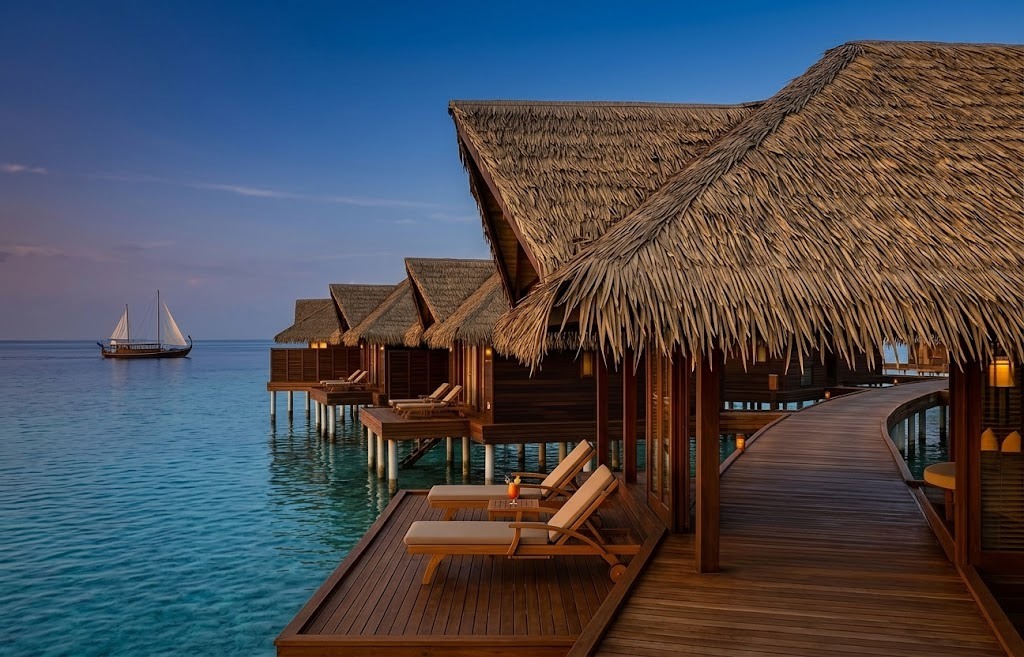
Historically, thatching is a traditional building method that involves layering dry vegetation—such as straw, water reed, or palm leaves—to create a protective canopy. While these organic materials are valued for their rustic look and natural thermal insulation, modern engineering has introduced highly competitive, long-lasting alternatives.
Synthetic Thatch vs Natural Thatch: A Quick Comparison
To make an informed decision, you must look beyond the initial installation. Below is a practical breakdown of what property owners can expect over the lifespan of their roof:
| Feature | Natural Thatch | Synthetic Thatch |
| Average Lifespan | 15–40 years (climate dependent) | 20–50+ years |
| Maintenance | High (frequent pest control & patching) | Zero (simply rinse with water) |
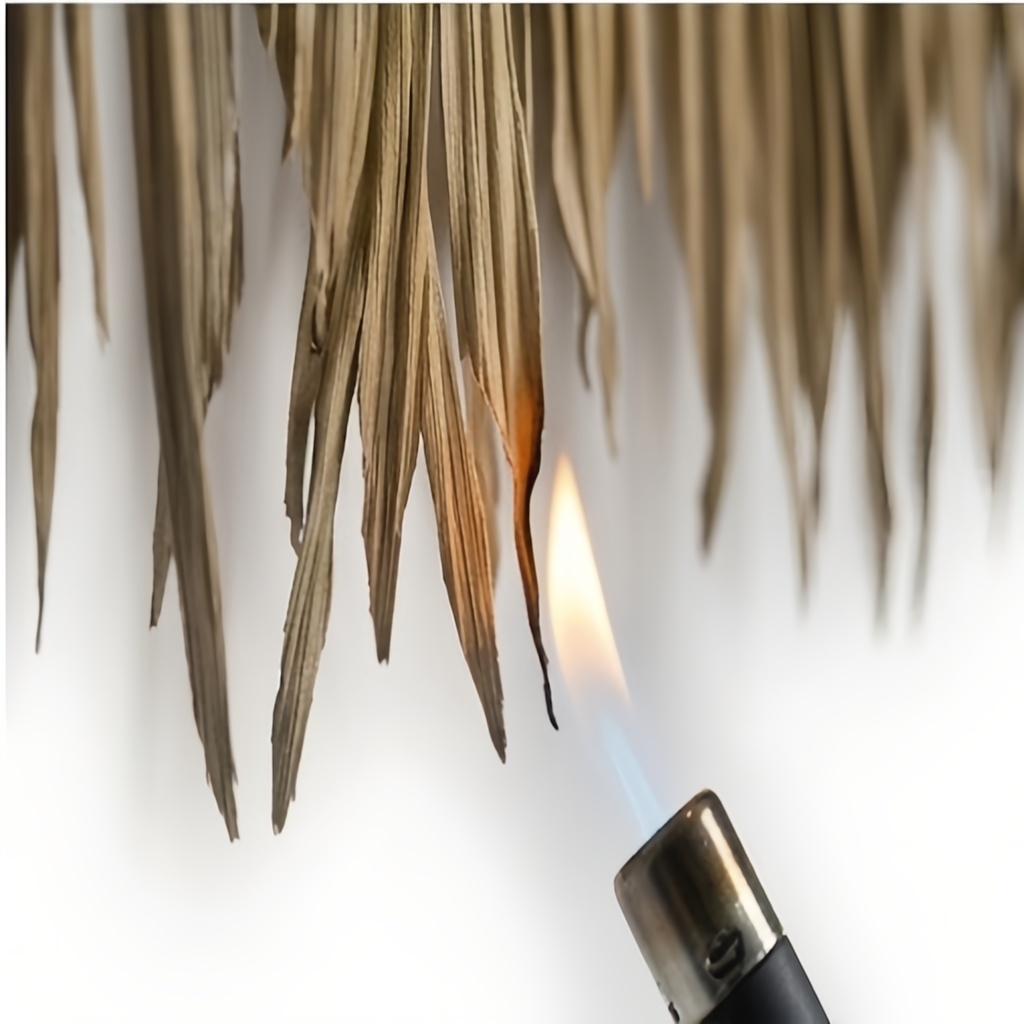
| Fire Safety | Extremely vulnerable to sparks | Class-A fire-retardant options available |
| Upfront Cost | Lower | Higher |
| Long-Term Value | Lower (due to constant repair bills) | Excellent (install and forget) |
The Reality of Natural Thatch
On one hand, organic roofs provide buildings with a timeless, rustic appeal. Additionally, utilizing real plant fibers supports traditional craftsmanship and is fully biodegradable.
However, this historical beauty comes with severe practical drawbacks. Homeowners must be highly vigilant against nesting birds, termites, rapid mold growth, and catastrophic fire hazards. As a result, the ongoing maintenance requires a significant investment of both time and money.
The Synthetic Thatch Upgrade
In contrast, engineered materials offer a technologically advanced alternative. Manufactured from high-grade Polyethylene or PVC, artificial panels perfectly mimic the organic aesthetic.
Most importantly, they are explicitly designed to endure harsh UV exposure, hurricane-force winds, and heavy rain without breaking down. Because there is no organic food source, pests are completely eliminated from the equation.
Breaking Down the Key Factors
When evaluating synthetic thatch vs natural thatch, consider these three core project elements:
1. Durability and Lifespan
Natural materials decay rapidly in heavily humid or storm-prone areas. Conversely, high-quality artificial thatch is backed by decades-long warranties and will easily outlast organic leaves by 20 to 30 years.
2. Upkeep and Maintenance
Natural roofs demand continuous chemical treatments and manual patching. Alternatively, artificial roofing requires virtually zero upkeep, freeing you from the exhausting cycle of seasonal repairs.
3. Cost Over Time
Initially, organic materials might seem like the budget-friendly choice. Nevertheless, when evaluating the total cost of ownership over a 20-year period, the artificial option is significantly cheaper due to the complete lack of repair bills and replacement labor.
Conclusion: Which Roof is Right for You?
Ultimately, choosing the right material comes down to your absolute priorities. If you demand strict historical accuracy and possess the budget for constant maintenance, natural materials work beautifully.
However, for the vast majority of modern homeowners and commercial resorts, the extreme durability, safety, and visual appeal of engineered plastics make them the overwhelmingly superior investment.
Categories
Related content
How long does a thatched roof last? Natural vs. Synthetic
Thatched Roof: How to Make an HDPE Synthetic Thatch Roof – A-thatch
Synthetic thatch for theme parks and zoos: Which type is best? – A-thatch
Synthetic thatch palm leaves for resort construction – A-thatch
Synthetic Mexican thatched gazebo: DIY look, materials & durability – A-thatch