What Is Thatch Roofing? A Brief Overview
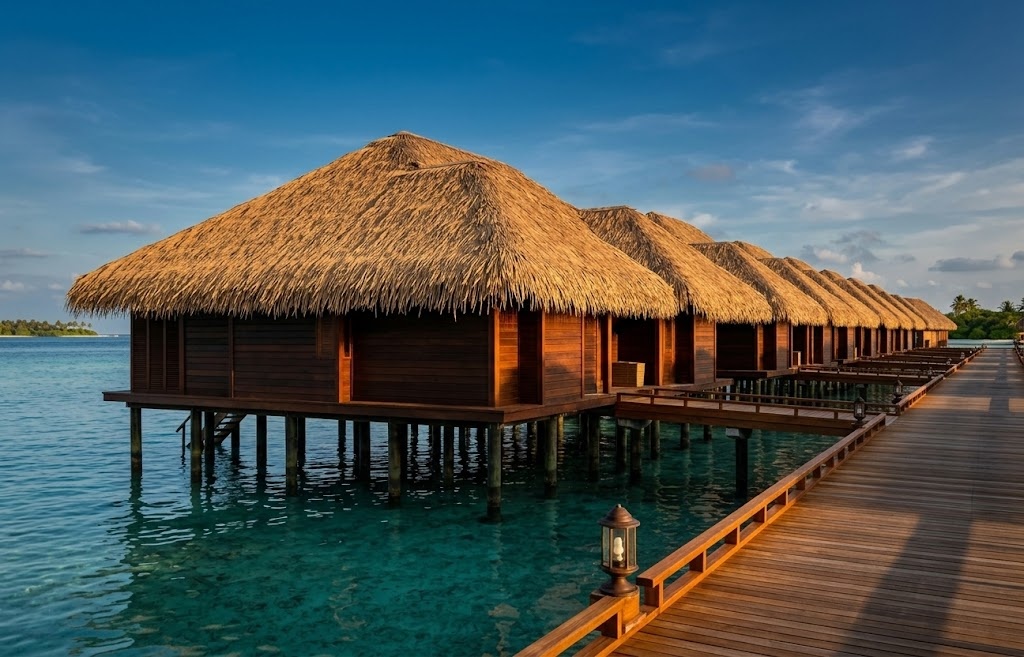
Thatch roofing is a traditional building method. It involves layering plant stalks to create a roof covering. This method has roots in many cultures and regions.
Common materials used in thatch roofing include:
- Straw
- Reed
- Palm leaves
These materials are often chosen for their availability and insulating properties. Thatch roofs are valued for their natural look and energy efficiency. They offer a unique blend of old-world charm and practicality.
Natural Thatch: Features, Pros, and Cons
Natural thatch roofs are crafted from organic materials. They provide buildings with a timeless and rustic appeal. The materials typically include straw, reed, and palm leaves.
A major advantage of natural thatch is its insulation ability. It helps maintain a comfortable indoor temperature year-round. Moreover, its use supports traditional craftsmanship.
However, natural thatch has drawbacks. It requires significant maintenance. Homeowners must be vigilant for pests, mold, and fire hazards.
Here are some pros and cons to consider:
- Pros:
- Eco-friendly and biodegradable
- Excellent insulation
- Aesthetic appeal
- Cons:
- High maintenance
- Potential pest issues
- Susceptible to fire
In summary, natural thatch offers classic beauty with a few challenges. It’s ideal for those who appreciate its traditional look and are prepared for regular upkeep.
Synthetic Thatch: Features, Pros, and Cons
Synthetic thatch is engineered from modern materials like PVC or polyethylene. These materials mimic the natural look of traditional thatch. They offer an advanced alternative to natural thatch roofing.
One significant advantage of synthetic thatch is its resilience. It is designed to endure harsh weather conditions, including UV exposure. This makes it a durable option for various climates.
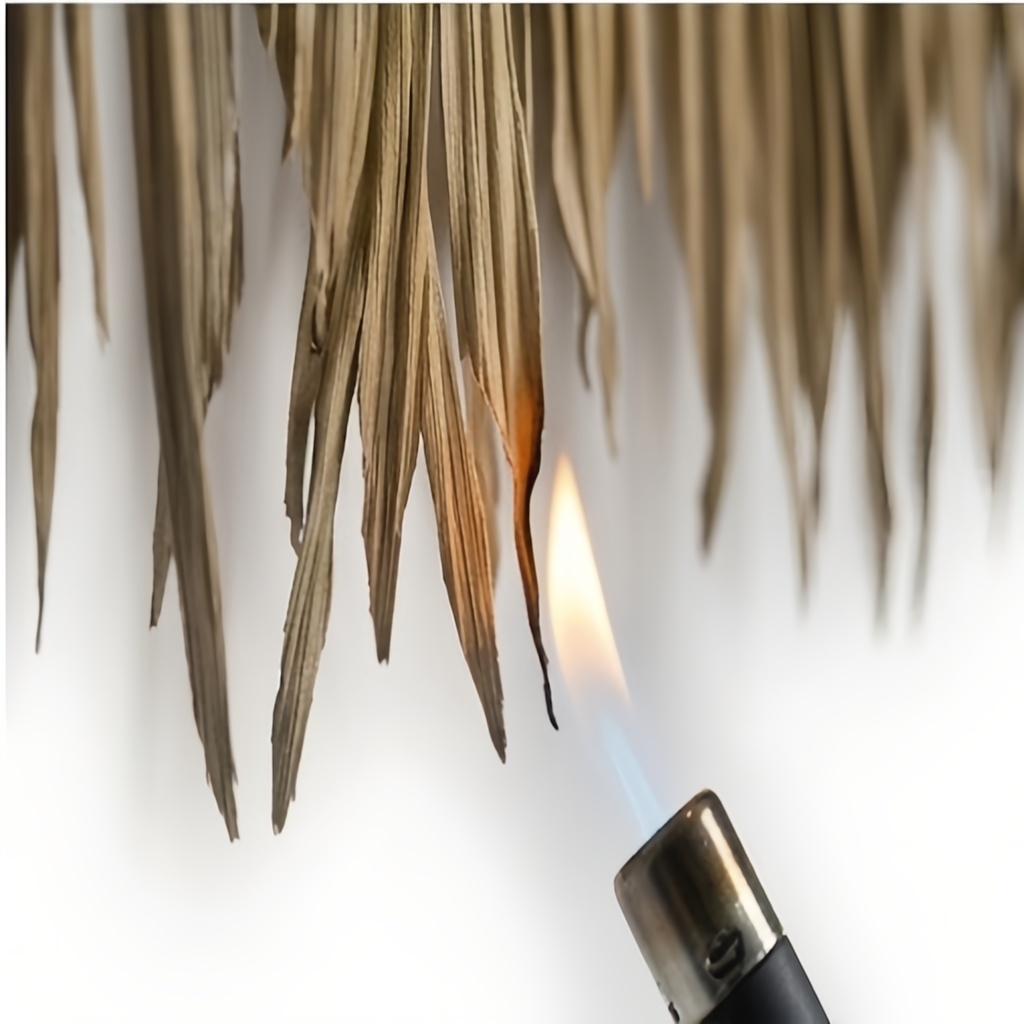
Synthetic thatch requires minimal maintenance. It is fire-resistant and repels pests, reducing upkeep effort and expense. This results in a longer-lasting roofing solution with fewer concerns.
Consider the following pros and cons:
- Pros:
- Fire and pest-resistant
- Low maintenance
- Long lifespan
- Cons:
- Higher initial cost
- Less biodegradable than natural thatch
While synthetic thatch may demand a higher upfront investment, its durability and low maintenance can justify the cost. It’s suitable for those seeking a reliable and aesthetically flexible roofing solution.
Synthetic Thatch vs Natural Thatch: Key Comparison Factors
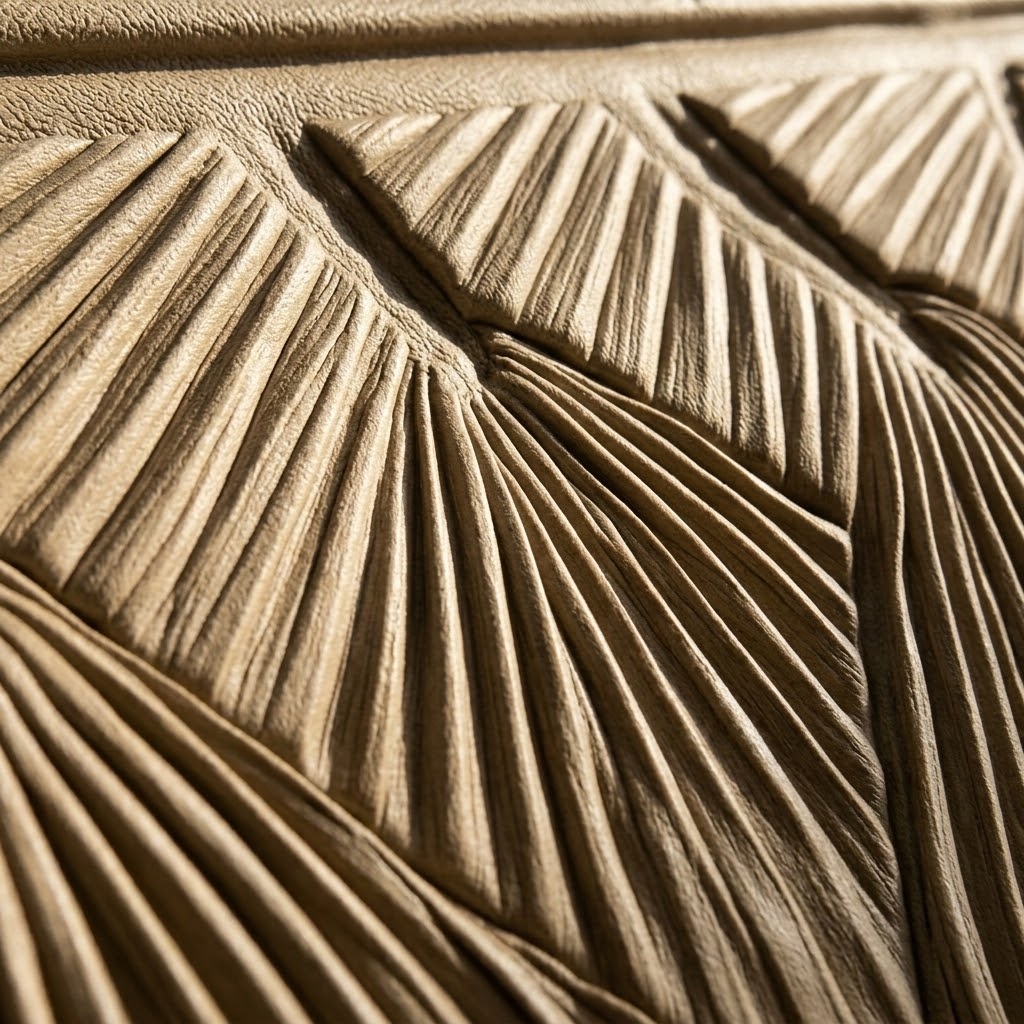
When choosing between synthetic and natural thatch, several key factors come into play. Understanding these can help in making an informed decision.
Durability and longevity are crucial factors. Natural thatch roofs can last between 15 to 40 years, depending on materials and climate conditions. In contrast, synthetic thatch often lasts between 20 to 50 years or more, making it a more durable choice.
Maintenance needs are another important consideration. Natural thatch requires regular upkeep, including treatments for pests and mold. Synthetic thatch, however, demands minimal maintenance due to its inherent properties.
Environmental impact should not be overlooked. Natural thatch is biodegradable and supports traditional craftsmanship, which benefits local economies. Meanwhile, synthetic thatch typically uses recycled materials and can be recycled itself, offering a different kind of eco-friendly advantage.
Installation complexity impacts labor costs. Natural thatch requires skilled craftsmanship for installation, driving up costs. Synthetic thatch is often easier and quicker to install, which may reduce labor expenses.
Consideration of weather resistance is vital. Natural thatch can suffer in extreme weather, such as heavy rain or strong winds. Synthetic thatch is typically designed to withstand harsh weather conditions, offering peace of mind.
Aesthetic preferences also influence the choice. Natural thatch provides a timeless, authentic look, difficult to replicate perfectly. Synthetic thatch, however, offers various styles and colors, allowing for diverse design options.
Ultimately, the decision between synthetic and natural thatch depends on personal priorities and project-specific needs.
 Durability and Lifespan: How Long Does a Thatched Roof Last?
 Durability and Lifespan: How Long Does a Thatched Roof Last?
The longevity of thatch roofs varies significantly between natural and synthetic options. Understanding this difference is essential for long-term planning.
Natural thatch roofs typically last 15 to 40 years. The exact lifespan depends on the type of material used and weather conditions.
In comparison, synthetic thatch often boasts a lifespan of 20 to 50 years or more. This longevity is backed by warranties that often cover several decades.
Key considerations in lifespan:
- Natural thatch: 15-40 years
- Synthetic thatch: 20-50+ years
Choosing a roof type based on lifespan can greatly impact future renovation plans and budgeting.
Maintenance and Upkeep
Maintenance plays a critical role in preserving a thatched roof. Differences in upkeep requirements can influence material choice.
Natural thatch needs regular care. It might demand pest control treatments and regular inspections for mold. These ongoing tasks increase both time and monetary costs.
Conversely, synthetic thatch typically requires little to no maintenance. Its construction resists pests and minimizes the risk of mold and fire.
Key maintenance points:
- Natural thatch: Regular pest and mold treatments
- Synthetic thatch: Low maintenance needs
Simplified upkeep is a compelling advantage of synthetic thatch, saving time and resources over its lifespan.
Cost and Value Over Time
Initial and long-term costs are significant factors in the thatch material decision. Balancing upfront costs with future value is essential.
Natural thatch might initially seem affordable. However, frequent maintenance and shorter lifespans can increase costs over time, requiring replacements sooner.
Synthetic thatch demands a higher initial investment. But, lower maintenance and longer lifespan often mean cost savings in the long run.
Key cost factors:
- Natural thatch: Lower initial cost, higher long-term maintenance
- Synthetic thatch: Higher initial cost, lower long-term maintenance
Evaluating total cost of ownership over decades can reveal synthetic thatch as the more valuable choice.
Which Thatch Roof Material Is Right for You?
Choosing the right thatch roof material involves several personal and project-specific considerations. Evaluate your priorities, such as budget, aesthetics, and maintenance preferences, to make the best choice.
Consider these factors when deciding:
- Budget: Weigh initial costs against long-term savings.
- Aesthetic Preference: Decide between traditional charm or modern flexibility.
- Maintenance Availability: Determine whether you have resources for ongoing upkeep.
Your decision should align with your specific needs and the character of your home or project, ensuring long-term satisfaction.
Conclusion: Why Synthetic Thatch Often Makes Sense
Synthetic thatch offers modern advantages that fit today’s building needs. Its durability and low maintenance appeal to many homeowners.
While natural thatch has its charm, the longevity and efficiency of synthetic alternatives make them a smart investment. For those seeking a balance of style and practicality, synthetic thatch frequently emerges as the better choice.