What Is a Synthetic Nylon Straw Thatch Roof?
A synthetic nylon straw thatch roof is a roofing system made from molded or extruded nylon “straws” designed to recreate the appearance of hand‑laid natural thatch. Instead of using dried grass, reed, or palm leaves, manufacturers use advanced polymers and UV‑stabilized colorants to produce long, flexible strands that mimic organic fibers.
These synthetic thatch roof panels are typically supplied in 1000mm lengths, making installation faster and more consistent than traditional thatching. Each panel is pre‑assembled into a shingle or strip that can be fastened to a roof deck or batten system. The result is a layered, textured surface that visually resembles a natural thatched roof while meeting modern performance expectations.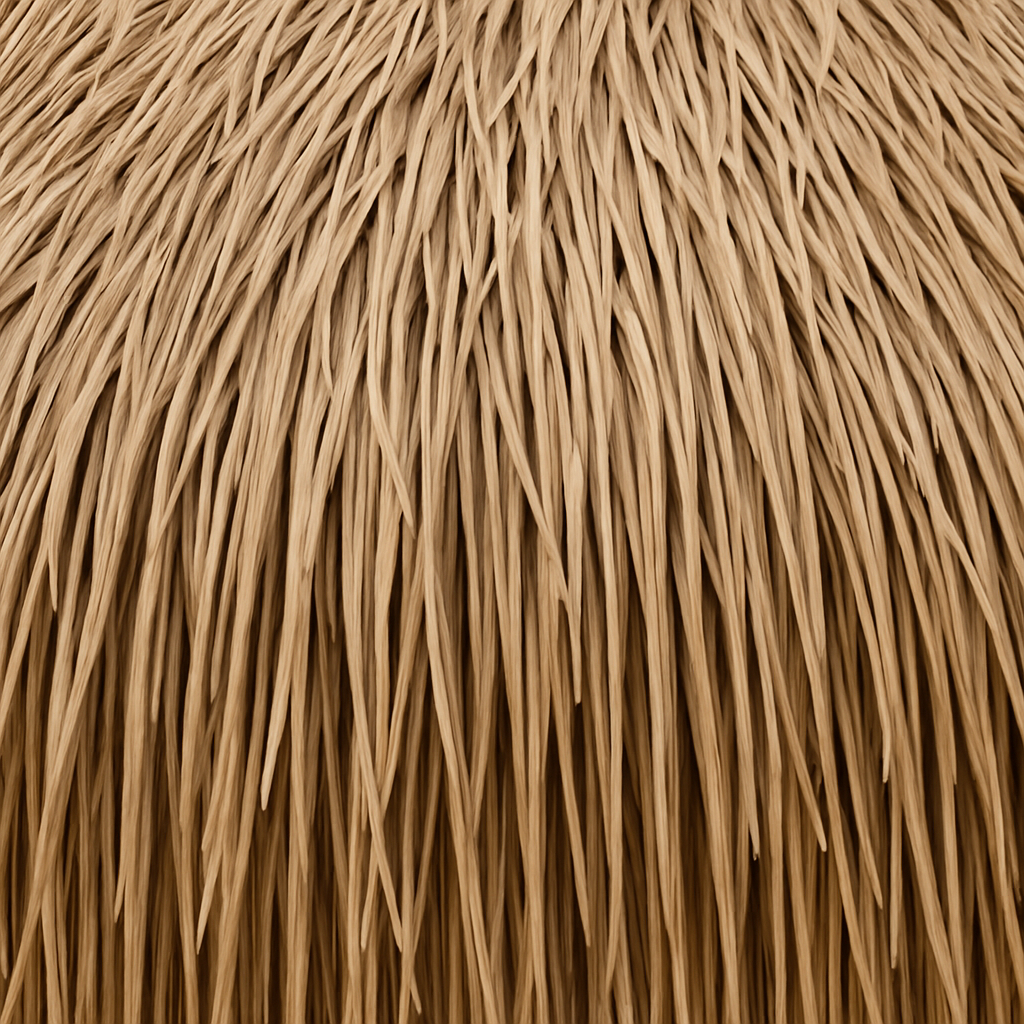
Advantages of a Synthetic Nylon Straw Thatch Roof
-
Long‑Term Durability
One of the primary reasons to choose a synthetic thatch roof is its extended service life. Natural thatched roof material is vulnerable to mold, rot, and insect damage, often requiring partial replacement every few years. By contrast, nylon‑based synthetic straw thatch is engineered to resist moisture, UV exposure, and biological growth.
Many manufacturers design their synthetic nylon straw panels to maintain structural integrity and color stability for 20–30 years or more under normal conditions. This makes a synthetic nylon straw thatch roof a long‑term investment rather than a recurring maintenance expense.
-
Weather Resistance and Fire Performance
High‑quality synthetic thatch roof material can be formulated to provide excellent resistance to wind, rain, and snow. Interlocking 1000mm panels reduce the risk of uplift in high‑wind areas, while carefully designed drainage paths help shed water efficiently.
In addition, many synthetic nylon straw systems are compatible with fire‑retardant additives or underlayments that help meet local codes. For detailed information on fire classifications, specifiers can consult the ASTM fire test standards for roofing (https://www.astm.org/). When installed according to manufacturer guidelines, a synthetic nylon straw thatch roof can offer far greater fire safety than most natural thatched roofs.
-
Low Maintenance and Lifecycle Cost
A major advantage of synthetic straw thatch is its minimal maintenance requirement. Natural thatch often needs regular combing, patching, and re‑thatching to maintain appearance and weather performance. Synthetic nylon straw panels typically require only occasional visual inspections and light cleaning.
Over the roof’s life, reduced labor, fewer material replacements, and lower downtime for hospitality properties can significantly offset the initial investment. When lifecycle costs are considered, a synthetic nylon straw thatch roof frequently delivers a lower total cost of ownership than organic alternatives.
Eco‑Friendly Straw Appearance and Sustainability
Many project owners seek the look of an eco‑friendly straw roof without the environmental impact associated with harvesting and shipping large volumes of natural thatch. Synthetic nylon straw panels help address this need in several ways.
First, they reduce the demand for natural fibers that may be sourced from sensitive ecosystems or transported long distances. Second, advanced polymers can be engineered for long service life, reducing waste from frequent re‑thatching. Some manufacturers are also exploring biodegradable straw options and recyclable formulations that further improve the environmental profile of synthetic thatch roof systems.
From a building‑performance perspective, a well‑designed synthetic nylon straw thatch roof can deliver thermal benefits similar to a traditional thatched roof, helping moderate indoor temperatures and reduce reliance on mechanical cooling in warm climates.
Comparing Synthetic Thatch with Natural Thatched Roof Materials
Many designers still appreciate the romance of a traditional thatched roof, but must also consider safety, maintenance, and regulatory issues. When comparing synthetic straw thatch to natural materials, several points stand out:
•
Consistency: Synthetic nylon straw panels in 1000mm lengths provide uniform coverage, while natural thatched roofs can vary in thickness and density.
•
Pest resistance: Nylon does not attract insects, birds, or rodents, unlike many natural thatch roof materials.
•
Moisture management: Synthetic thatch roof systems are typically designed to shed water while allowing the assembly to dry quickly, reducing mold risk.
•
Regulatory compliance: Fire and building codes are often easier to satisfy with engineered synthetic thatch roof materials than with organic thatch.
Application Scenarios for Synthetic Nylon Straw Thatch Roofs
Resorts, Hotels, and Theme Parks
Hospitality environments are among the most common applications for a synthetic nylon straw thatch roof. Beach resorts, pool bars, outdoor restaurants, and theme park structures all benefit from the relaxed, tropical aesthetic of a thatched roof. However, these venues also demand predictable performance, low maintenance, and compliance with strict safety codes—areas where synthetic thatch excels.
Glamping Sites and Eco‑Resorts
Luxury camping (glamping) and eco‑resorts often aim to appear rustic while meeting guests’ expectations for comfort and safety. By using synthetic straw thatch, designers can create authentic‑looking huts and lodges that blend into the landscape. At the same time, the durable synthetic thatch roof material withstands repeated weather events and seasonal closures far better than most natural thatch systems.
Residential and Small Structures
Homeowners may use synthetic thatch roof panels to accent gazebos, pergolas, cabanas, or outdoor kitchens. For small projects, the 1000mm panel format makes DIY installation more achievable while still delivering a professional look. When properly detailed, a synthetic nylon straw thatch roof can become a distinctive architectural feature that increases curb appeal.
Installation and Maintenance Considerations
Proper installation is essential to maximize the benefits of a synthetic nylon straw thatch roof. Installers should follow manufacturer recommendations for batten spacing, fastener type, and underlayment. Many systems are compatible with standard roofing membranes that provide additional waterproofing and contribute to energy efficiency.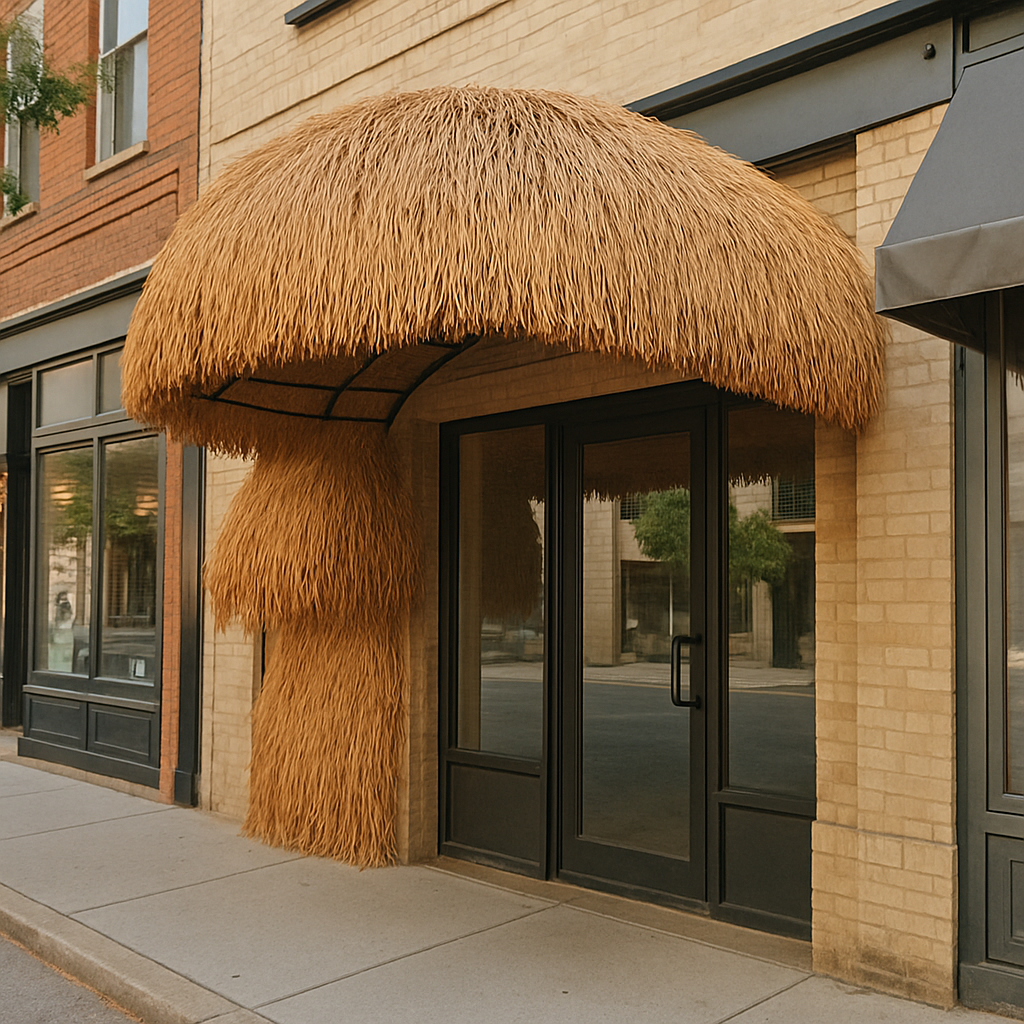
For broader sustainability context and green building strategies that pair well with synthetic thatch roofs, designers can reference the U.S. Green Building Council (https://www.usgbc.org/) guidelines on energy and materials.
Conclusion
Choosing a synthetic nylon straw thatch roof allows designers and property owners to achieve the classic look of a thatched roof with the advantages of modern materials. By using 1000mm synthetic nylon straw panels, projects gain durability, weather resistance, low maintenance, and improved fire performance, all while delivering an authentic straw aesthetic.
When compared with traditional thatch roof material, synthetic straw thatch offers a compelling balance of appearance, performance, and sustainability. For resorts, glamping sites, theme parks, and residential outdoor spaces, a well‑designed synthetic thatch roof can provide long‑lasting value and a distinctive architectural identity that sets the property apart.