Synthetic thatch for theme parks and zoos: Which type is best?
- A-thatch
- April 15,2026
- 10:02AM
Which Type of Synthetic Thatch is Suitable for Theme Parks and Zoos?
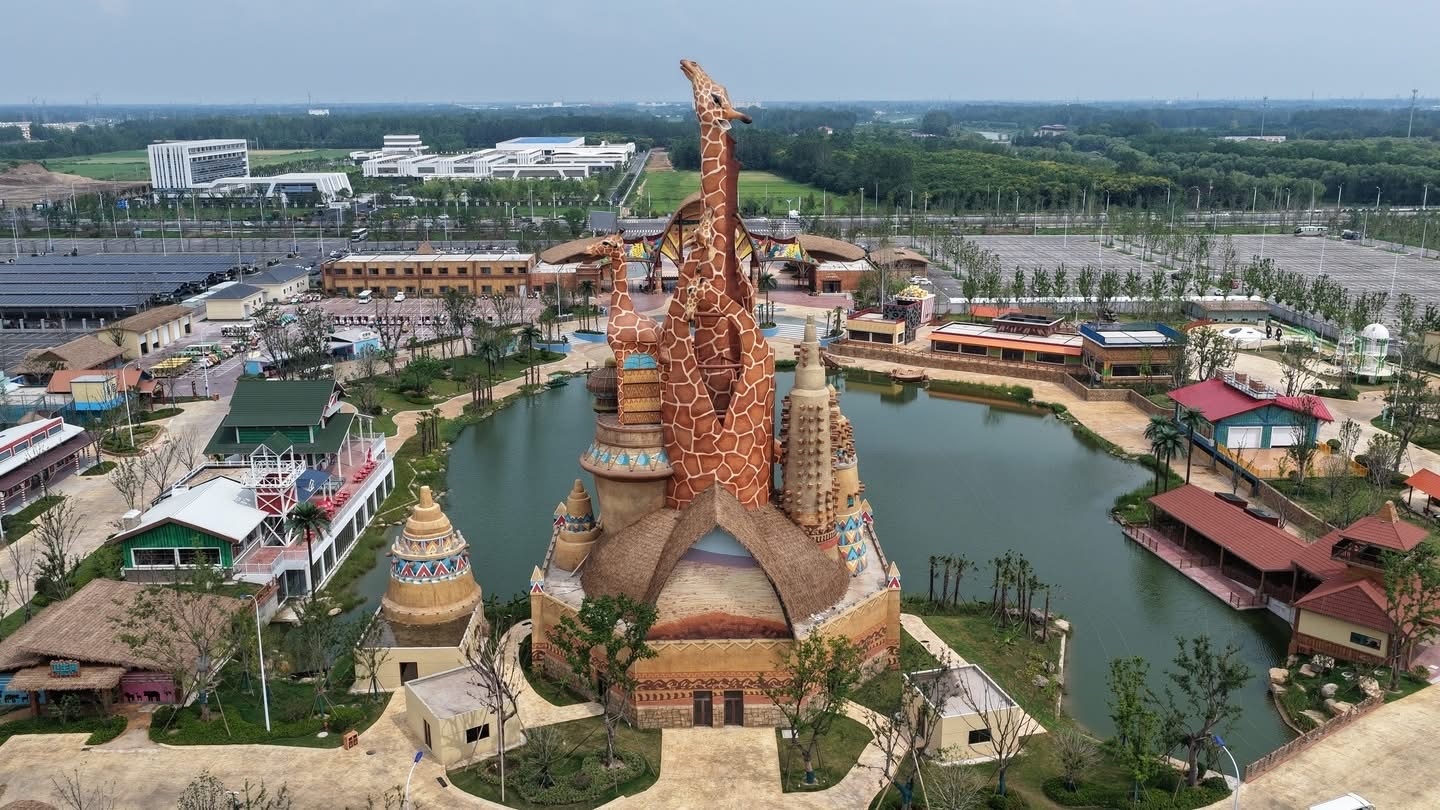
When designing immersive environments for heavy visitor traffic, natural materials often fail under the stress of weather and strict safety codes. Therefore, choosing the right synthetic thatch for theme parks and zoos is crucial. Furthermore, it delivers the authentic look of a traditional thatch roof without the constant upkeep, rot, and pest issues associated with organic materials.
Key Requirements When Sourcing Synthetic Thatch for Theme Parks and Zoos
Theme parks and zoos demand materials that are durable, consistent, and easy to maintain. Consequently, when evaluating synthetic options, facility managers should prioritize:
Fire Performance: First and foremost, products must have documented Class-A fire-retardant ratings suitable for commercial public spaces.
Weather Resistance: In addition, look for high UV stability, wind uplift resistance, and excellent water shedding capabilities.
Low Maintenance: Because engineered polymers resist mold and do not harbor insects, they completely eliminate the need for frequent pest control.
Realism: Finally, ensure the color variation and texture look authentic both at a distance and up close.
Matching Artificial Thatch Styles to Your Theme
Artificial thatch is available in various profiles to tell the right story for different exhibit zones. Ultimately, the best choice depends entirely on your architectural theme:
1. Palm-Look Synthetic Thatch
For instance, this style is ideal for tropical, adventure, and jungle themes. Its broad, leafy appearance is perfect for poolside cabanas, tiki-style retail kiosks, and island-inspired attractions.
2. Reed-Look Synthetic Thatch
On the other hand, a clean, linear texture fits traditional, rustic, and coastal designs. Specifically, it is widely used in European village themes, waterfront dining zones, and nature-focused animal viewing shelters.
3. Straw-Look Synthetic Thatch
If you want the warmth of an old-world cottage or safari camp, then straw-profile artificial thatch is the absolute answer. Moreover, it provides a rustic aesthetic without the fragility and shedding of natural straw.
Why Synthetic Thatch is the Smarter Investment
In busy venues, natural thatch requires continuous patching. Worse yet, it creates “thatch confetti” that clogs walkways and drains. As a result, utilizing synthetic thatch for theme parks and zoos significantly reduces long-term labor costs by offering the following benefits:
A consistent appearance across large, multi-structure projects.
Zero shedding and no organic decay over time.
Easy standardization across different park zones, simply because you only need to vary colors and ridge trim details.
Conclusion
In conclusion, the best roofing balances realism with commercial-grade durability and safety. Whether you need a tropical palm vibe or a rustic straw aesthetic, upgrading to premium synthetic materials ensures your guests enjoy an immersive environment. Most importantly, it does so without the massive maintenance headaches.
Categories
Related content
How long does a thatched roof last? Natural vs. Synthetic
tiki hut roof replacement materials for 2026: best options to stop rot
Synthetic Thatch vs Natural Thatch: Pros and Cons – A-thatch
Synthetic thatch palm leaves for resort construction – A-thatch
Synthetic Mexican thatched gazebo: DIY look, materials & durability – A-thatch