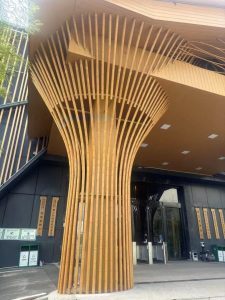

Why synthetic thatch palm leaves are the future trend in resort construction
- A-thatch
- April 12,2026
- 10:33PM
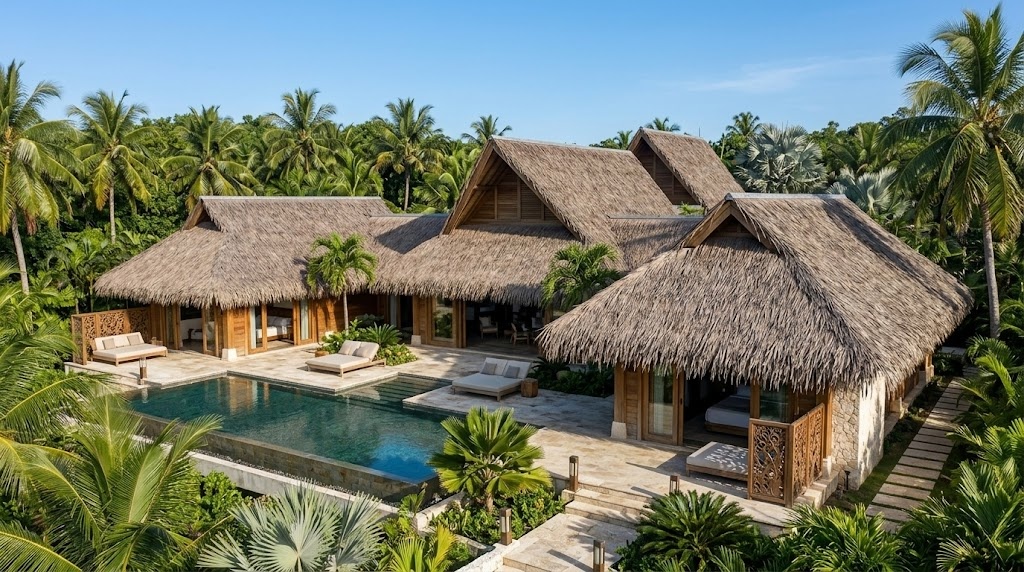
Why Synthetic Thatch and Decorative Palm Leaves Lead Resort Construction
Creating a flawless tropical getaway requires materials that look authentic but perform like modern engineering. Consequently, synthetic thatch and engineered decorative palm leaves are quickly becoming the top choices for luxury resort construction. Furthermore, they deliver the lush, island aesthetic guests crave, but with significantly fewer downsides than natural organic foliage.
The Rise of Synthetic Decorative Palm Leaves in Hospitality
Historically, resort developers relied heavily on natural materials. However, natural thatch and foliage degrade quickly under UV rays, heavy rain, and pool chemicals. To solve this, modern construction is shifting toward advanced artificial solutions.
Specifically, utilizing high-quality decorative palm leaves for cabanas, umbrellas, and interior accents ensures a consistent, vibrant look year-round. As a result, architects can seamlessly blend durable synthetic roofing with beautiful artificial foliage, completely revolutionizing waterfront and eco-resort designs.
Core Benefits: Why Artificial Foliage Outperforms Nature
Upgrading to synthetic materials provides undeniable advantages for commercial properties. In fact, when you compare engineered products to organic ones, the long-term benefits are striking:
| Feature | Natural Palm/Thatch | Synthetic Decorative Palm Leaves |
| Lifespan | 3–6 years | 20+ years |
| Pest Control | Requires frequent chemical treatments | 100% Pest-proof (no organic food source) |
| Fire Safety | Highly flammable | Class-A fire-retardant options available |
| Maintenance | High (constant sweeping of “thatch confetti”) | Zero maintenance |
First and foremost, engineered materials offer incredible durability. Because they are molded from robust HDPE, they resist mold, decay, and severe weather. Moreover, the built-in UV protection ensures that the vibrant colors will not fade, preserving the aesthetic appeal over decades.
Sustainability: A Smarter Approach to Design
While plastic might not sound green at first, engineered decorative palm leaves actively contribute to sustainable architecture. By eliminating the need to constantly harvest vulnerable natural palm trees, resorts reduce their ecological footprint.
Additionally, these systems generate almost zero construction waste and are often fully recyclable at the end of their long lifecycle. Ultimately, this approach supports eco-friendly building practices while still achieving stunning architectural goals.
Design Flexibility for New Builds and Renovations
Another major factor driving this trend is extreme design flexibility. For instance, artificial foliage can be perfectly tailored to match various architectural styles, from rustic Tiki bars to sleek modern beach clubs.
Whether you are undertaking a massive new build or simply upgrading an existing shade structure, these materials are remarkably easy to install. Therefore, designers have the ultimate freedom to place decorative palm leaves in high-traffic guest areas, interior lobbies, or outdoor dining spaces without worrying about shedding or allergens.
Conclusion: Maximizing Resort ROI
In conclusion, the future of resort construction relies on materials that are beautiful, resilient, and economically smart. By reducing replacement cycles, eliminating pest control costs, and minimizing daily upkeep, premium synthetic thatch and decorative palm leaves deliver an unmatched Return on Investment (ROI). Ultimately, future-oriented resorts that embrace these innovative materials will save money while offering their guests an unforgettable, picture-perfect tropical experience.
Categories
Related content
How long does a thatched roof last? Natural vs. Synthetic
tiki hut roof replacement materials for 2026: best options to stop rot
Synthetic thatch for theme parks and zoos: Which type is best? – A-thatch
Synthetic thatch palm leaves for resort construction – A-thatch
Synthetic Mexican thatched gazebo: DIY look, materials & durability – A-thatch