
Synthetic Mexican Thatched Gazebo: The Ultimate Palapa Roof Guide
If you are dreaming of a tropical backyard oasis, a synthetic Mexican thatched gazebo gives you the classic palapa look without the heavy maintenance of natural palm roofing. Whether you are designing a poolside shade structure, a backyard bar, or a commercial tiki area, artificial thatch is a clean, consistent, and long-lasting choice. Furthermore, it completely eliminates the constant shedding and pest issues associated with organic materials.
What is a Synthetic Mexican Thatched Gazebo (Palapa)?
A traditional palapa is an open-air pavilion featuring a steep, layered roof designed to provide shade and natural airflow. However, a synthetic Mexican thatched gazebo utilizes engineered artificial panels instead of easily degradable natural palm fronds.
Typically, these stunning structures consist of:
Structure: A sturdy round, square, or octagonal wood or steel frame.
Roof Look: A thick, deeply layered tropical “palm” profile.
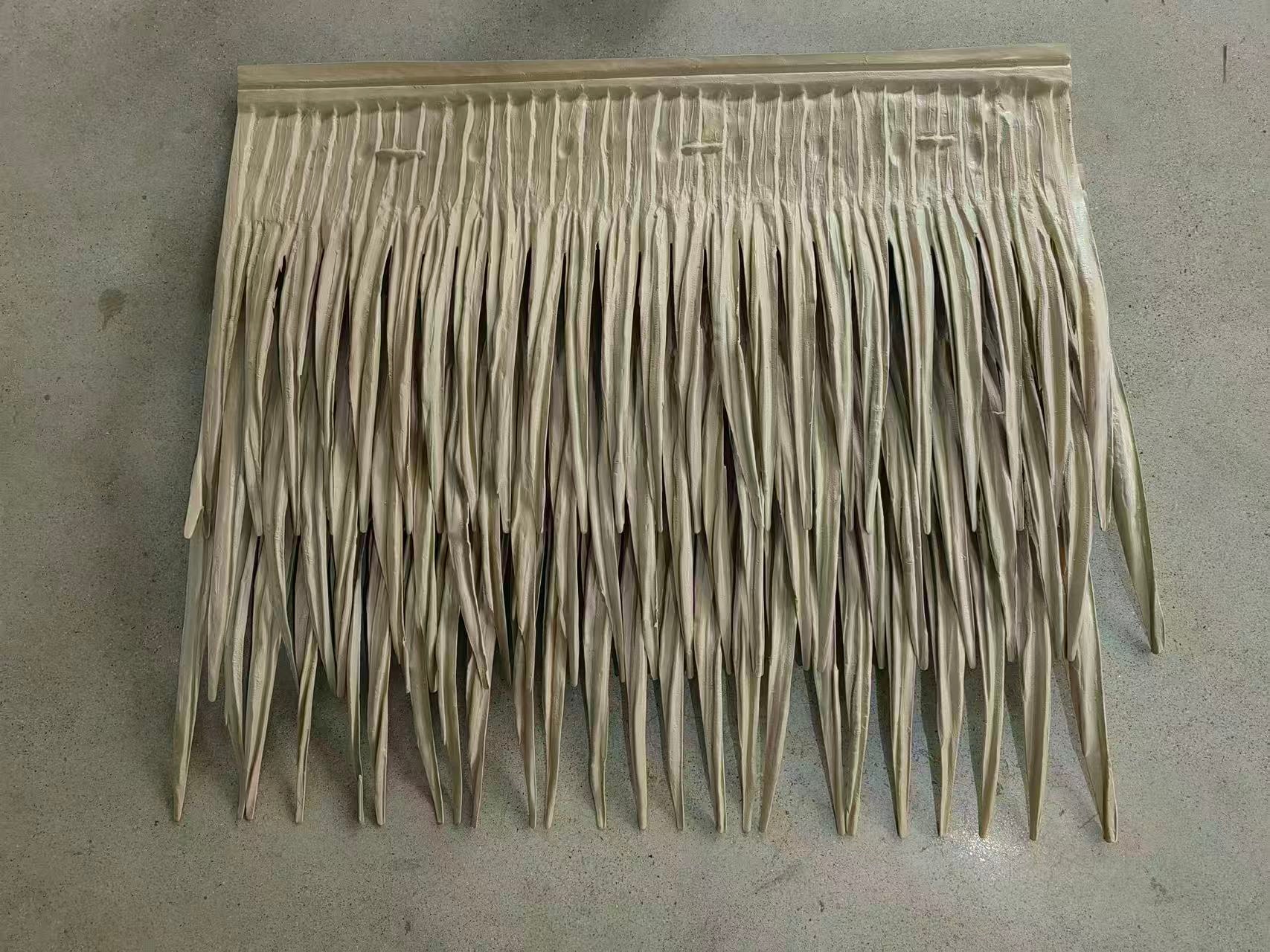
Roof Material: High-density polymer panels or bundles engineered to closely mimic natural leaves.
Why Choose Artificial Thatch Over Natural Palm?
Natural palm roofing is undeniably beautiful, but it requires frequent upkeep and varies greatly in quality from batch to batch. Conversely, utilizing modern synthetic materials ensures predictable performance. Below is a quick comparison of what you can expect:
| Feature | Natural Palm Roofing | Synthetic Thatch Roofing |
| Average Lifespan | 3–5 years | 20+ years |
| Maintenance | High (frequent re-thatching) | Low (simple rinsing) |
| Pest Resistance | Poor (attracts insects and birds) | Excellent (no organic food source) |
| Weathering | Highly vulnerable to mold and rot | 100% Waterproof & UV-resistant |
Key Specifications to Look For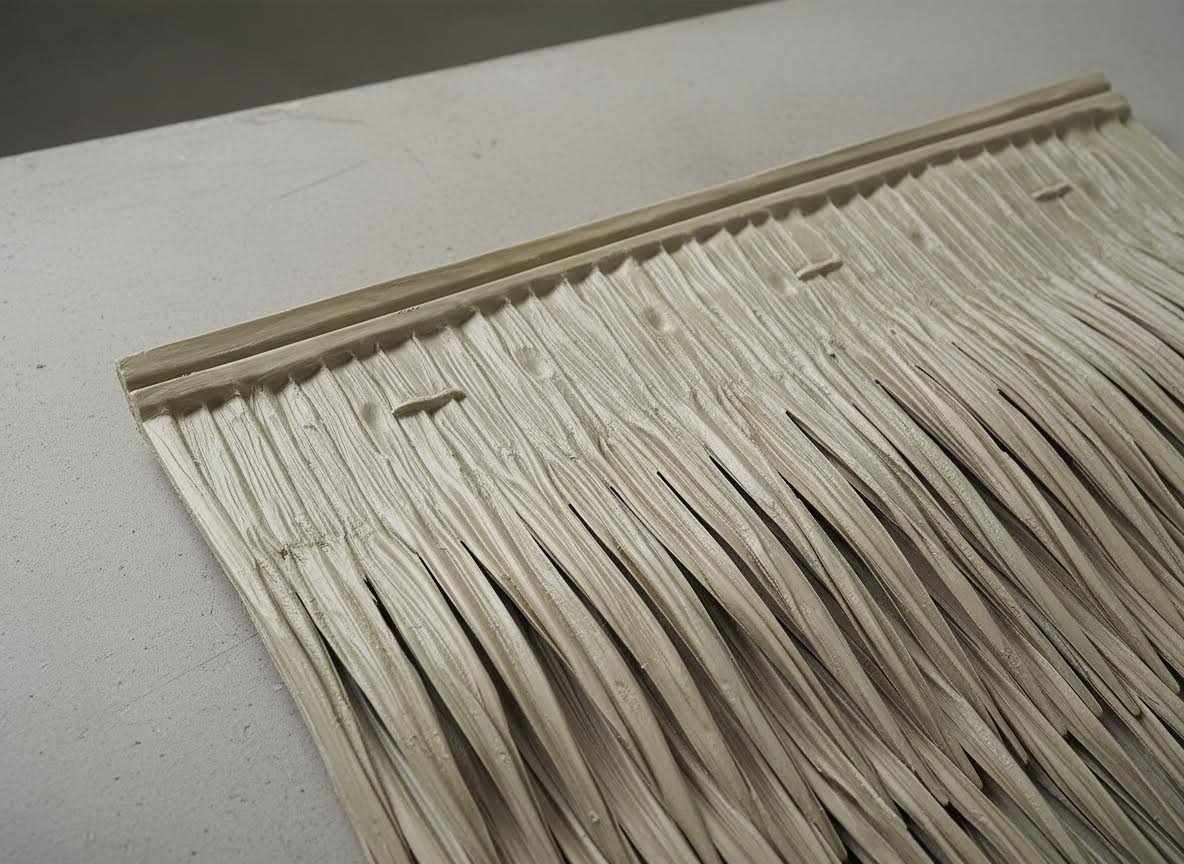
When sourcing materials for your project, you must verify a few critical specifications. First, check for high UV stability, which drastically reduces fading and brittleness under harsh sunlight. Second, prioritize fire performance; many commercial projects demand Class-A fire-retardant ratings. Finally, ensure the product features an overlapping design for superior water shedding.
Quick Installation Overview
Installing modern thatch is surprisingly straightforward. Although exact steps vary by product, most systems install similarly to traditional roof shingles.
Build the Deck: Set the roof pitch and install a solid roof deck or battens.
Lay Starter Rows: Begin exactly at the eave to guarantee proper water drainage.
Layer Upward: Overlap the panels upward, strictly staggering the seams for that thick palapa silhouette.
Finish the Ridge: Use matching ridge caps or custom detailing for a clean, weather-tight top line.
Conclusion
In summary, upgrading to a synthetic Mexican thatched gazebo is the smartest way to achieve an authentic tropical vibe. By investing in durable, engineered materials, you guarantee decades of beautiful, worry-free relaxation. Ultimately, you get all the aesthetic charm of a classic palapa without any of the exhausting upkeep!