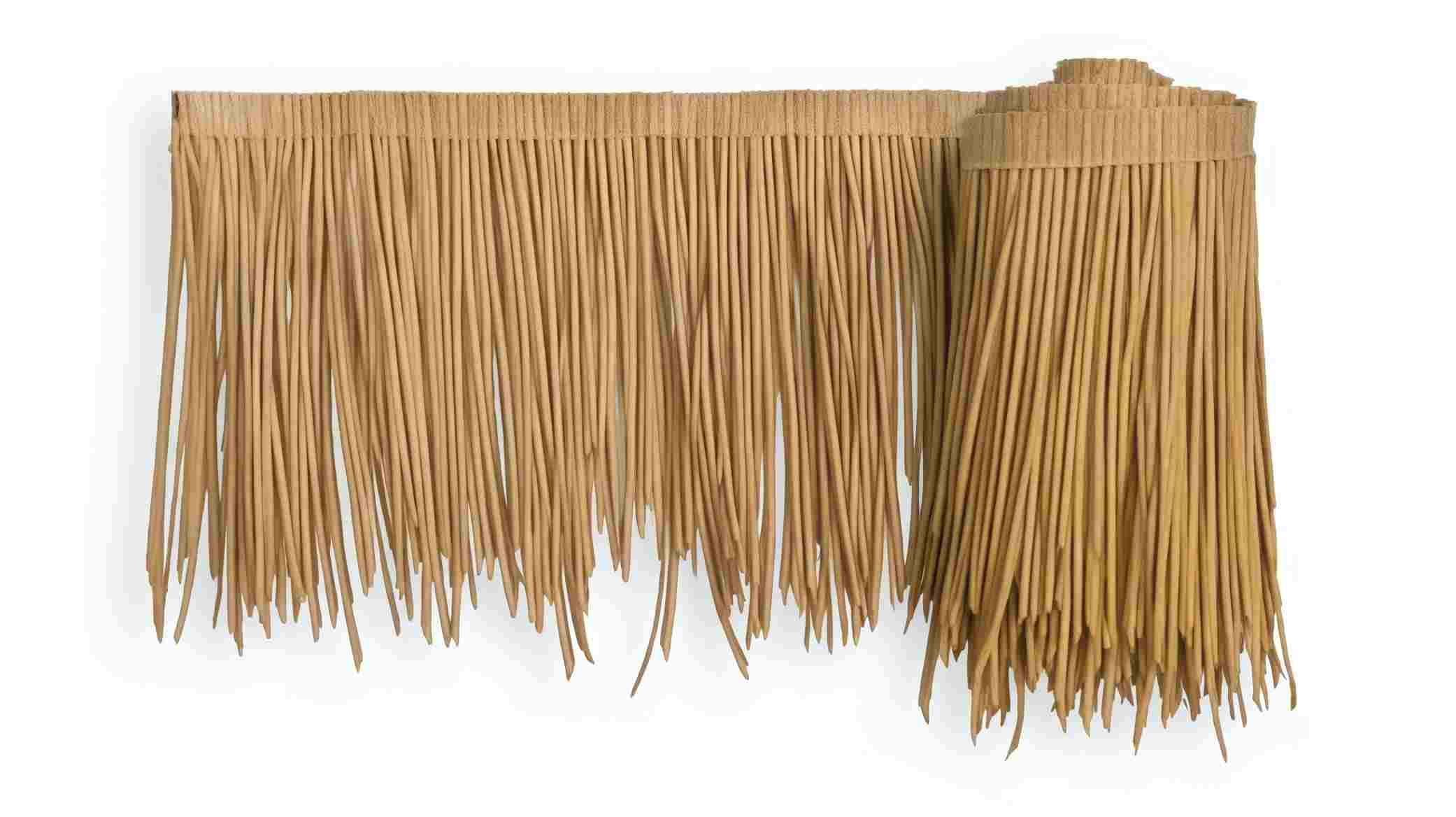
Thin Straw Thatch: A Modern Thatch Roof Material
Picture a thatched roof: you likely imagine a cozy, centuries-old cottage with a thick, shaggy topping. But what if thatch could be modern and sleek? A lesser-known style called thin straw thatch is changing what a straw roof can be, offering a modern thatch roof material option.
This refined approach creates a sleeker, more textured finish—think of it less like a shaggy mane and more like a sharply styled haircut. It challenges the common idea that straw is just flimsy farm bedding.
Because it’s a lighter-weight application, this style makes a beautiful, natural roof possible as a thatched roof choice for projects where a heavy, traditional thatch wouldn’t work. It delivers timeless charm to everything from garden sheds to modern backyard studios, proving a thatched roof can be both classic and contemporary.
Summary
Thin straw thatch is a modern, lightweight take on traditional thatching that delivers a crisp, textured look suited to small structures and contemporary designs. Like all thatch, it sheds water through dense compaction and steep pitch, keeping the roof body dry while only the outer layer gets damp. Treated for fire resistance and packed too tightly for pests, it typically lasts 10–15 years, with periodic ridge maintenance. While it carries artisan-level costs, hiring a skilled thatcher makes it a distinctive design feature for sheds, gazebos, and garden studios. If you prefer lower upkeep, a synthetic thatch roof can emulate the look; synthetic thatch panels trade some natural variation for consistency and easier maintenance.
How Can a Straw Roof Possibly Keep Out Rain?
It’s easy to assume straw would act like a sponge in a downpour, but the reality is more clever. A properly made thatch roof works like the feathers on a duck’s back: water is designed to run right off, not soak in. This is the key to its longevity.
The secret lies in two simple principles: compaction and angle. The straw is bundled and packed so tightly that there’s no easy path for raindrops to wiggle through. Then, the bundles are laid on a steeply angled roof, creating a natural slide that whisks water down and off the edge. In a typical rainstorm, only the top half-inch of the thatch ever gets damp.
 Because of this ingenious water-shedding system, the main body of the thatch and the structure beneath it stay perfectly dry. This fundamental principle is the same for all thatch, but how it’s applied creates dramatically different styles—from the thick, cozy roofs of old-world cottages to the sleek, modern look of a thin straw thatch application.
The Parka vs. The Raincoat: Unpacking Thin vs. Traditional Thatch
While all thatch sheds water the same way, the final look and feel can be worlds apart. The best way to understand the difference is to think of it like choosing a coat. Traditional, thick thatch is like a big, bulky winter parka—warm, substantial, and perfect for creating that classic, cozy storybook look with soft, rounded edges. It carries significant weight and belongs on a robust, historic-style building that can support it.
Thin straw thatch, on the other hand, is the sleek, modern raincoat. It’s applied in finer, more refined layers, leading to some key advantages:
- Aesthetics: It creates a sharp, textured finish with clean lines, rather than a soft, puffy one.
- Weight: It’s much lighter, making it suitable for structures that can’t support a heavy roof, like a shed or gazebo.
- Versatility: Its crisp look feels at home on both modern and rustic projects.
Whether you opt for natural straw or a synthetic thatch system, both styles rely on the same time-tested thatch roof approach to shed water.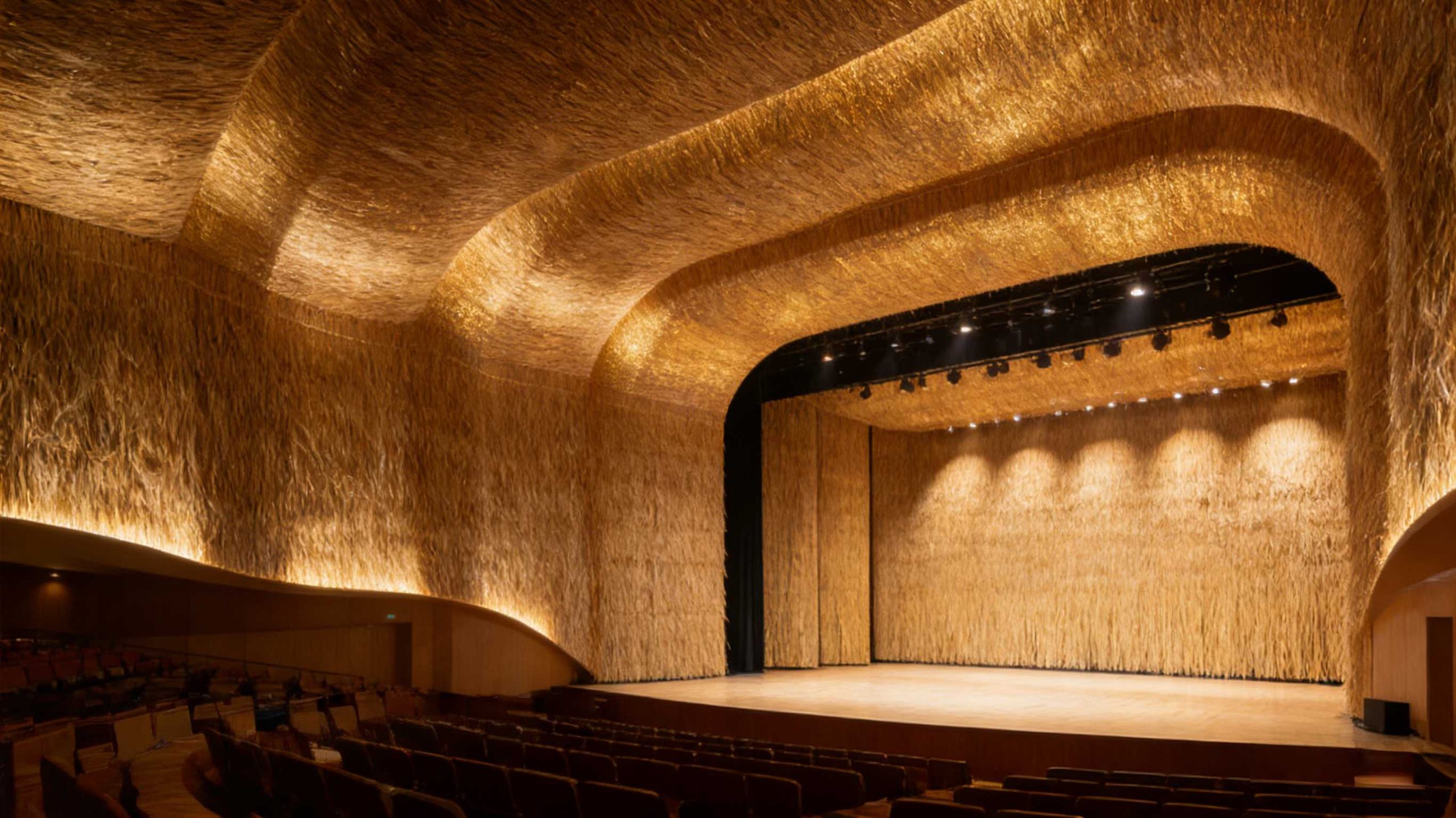
Beyond Cottages: 3 Perfect Projects for a Modern Thatched Look
Thin straw thatch doesn’t need to cover an entire house to make a statement. It works as a high-impact, natural accent material that can transform smaller structures in your own backyard (natural or synthetic).
For example, a sleek layer of thatch transforms a humble garden shed or backyard office from a utility box into a charming focal point. The same magic works on a gazebo, creating a unique destination for relaxing, or on an entryway gate, adding a touch of organic elegance before anyone even steps through.
These projects show how a little thatch can deliver a huge aesthetic upgrade, turning a simple structure into a work of art. Of course, bringing this unique material into your space raises some practical questions.
Answering the Big Questions: Fire, Pests, and How Long It Lasts
Seeing these beautiful projects naturally brings up practical concerns. The most obvious one is fire, but modern thin thatch isn’t the tinderbox you might imagine. Today, the straw can be treated with a clear fire retardant spray, which dramatically reduces its flammability and helps it meet safety standards without changing its golden appearance.
You might also worry about inviting birds or mice to nest in your new roof. However, a professionally installed thatch roof is packed incredibly tight. This density leaves no comfortable gaps for pests to burrow into, effectively hanging a “no vacancy” sign for unwanted critters.
So, how long does a straw roof last? With a thin application, you can expect a solid 10 to 15 years of performance. The ridge—the peak of the roof—is the most exposed section and often requires attention sooner, making a periodic thatched roof ridge replacement a normal part of its lifecycle. Obvious thinning or slipping straw are key signs that it’s time for a check-up.
What’s the Real Cost of That Unique Thatched Look?
Thin straw thatch isn’t a budget roofing option; it’s an artisanal finish, putting it in the same category as custom stonework or a decorative copper accent. The investment is for a one-of-a-kind aesthetic that standard materials simply can’t replicate. When you choose thatch, you’re choosing a feature, not just a function.
The price reflects the immense skill involved. You aren’t just buying straw; you’re hiring a craftsperson to meticulously hand-craft a waterproof sculpture for your roof. This expertise is why the work carries a premium, making the thatched roof repair vs replacement cost a factor of an artisan’s time. Finding a qualified master thatcher is essential for a beautiful, lasting result.
For a small project, reframe the expense. Instead of a simple “roofing” line item, think of it as your “design feature” budget. While the cost to re-thatch a cottage is a major undertaking, thatching a small garden shed or gazebo may be more attainable than you think, especially when compared to other high-end finishes.
Is This Natural, Modern Look Right for Your Project?
You once pictured thatch as a bulky, storybook roof. Now, you see its modern sibling: thin straw thatch. It’s the sleek raincoat to traditional thatch’s heavy parka—lightweight, sharp, and versatile, proving this ancient craft has a firm place in contemporary design.
Your next step is a simple journey of discovery. To see this style bring natural texture to modern structures, search online for “gazebo with straw thatch” or “modern garden studio with a thatched roof” and start gathering inspiration for what’s possible. You can also try synonyms of thatched—like “reed roof” or “palm thatch”—to broaden your results.
Now you can spot potential where others see just a plain roof, understanding how humble straw can create a timeless and fresh look, turning a simple structure into a quiet, beautiful statement.
More help
For U.S. code and compliance context, start with the International Code Council I‑Codes (https://codes.iccsafe.org/) and, where applicable, look for third‑party evaluation reports from ICC‑ES (https://icc-es.org/). For sustainability and end‑of‑life considerations, review EPA Sustainable Materials Management (https://www.epa.gov/smm) and EPA guidance on recycling common materials (https://www.epa.gov/recycle/how-do-i-recycle-common-recyclables). For standards often referenced when discussing plastics and outdoor durability, see ASTM D7611 (https://www.astm.org/d7611.html) and ASTM G154 (https://www.astm.org/g0154.html). For fire-safety code resources, consult NFPA (https://www.nfpa.org/), and for coastal/wind detailing considerations, reference FEMA coastal construction guidance (https://www.fema.gov/emergency-managers/risk-management/building-science/coastal-construction).