Introduction: HDPE Spliced Synthetic Bamboo Poles for Modern Projects
A spliced synthetic bamboo pole made from HDPE (high-density polyethylene) is a modern solution. It serves designers and builders who want a natural bamboo look with advanced material performance. Traditional green bamboo can crack, fade, or rot over time. In contrast, HDPE synthetic bamboo poles deliver consistent quality, long-term durability, and strong weather resistance.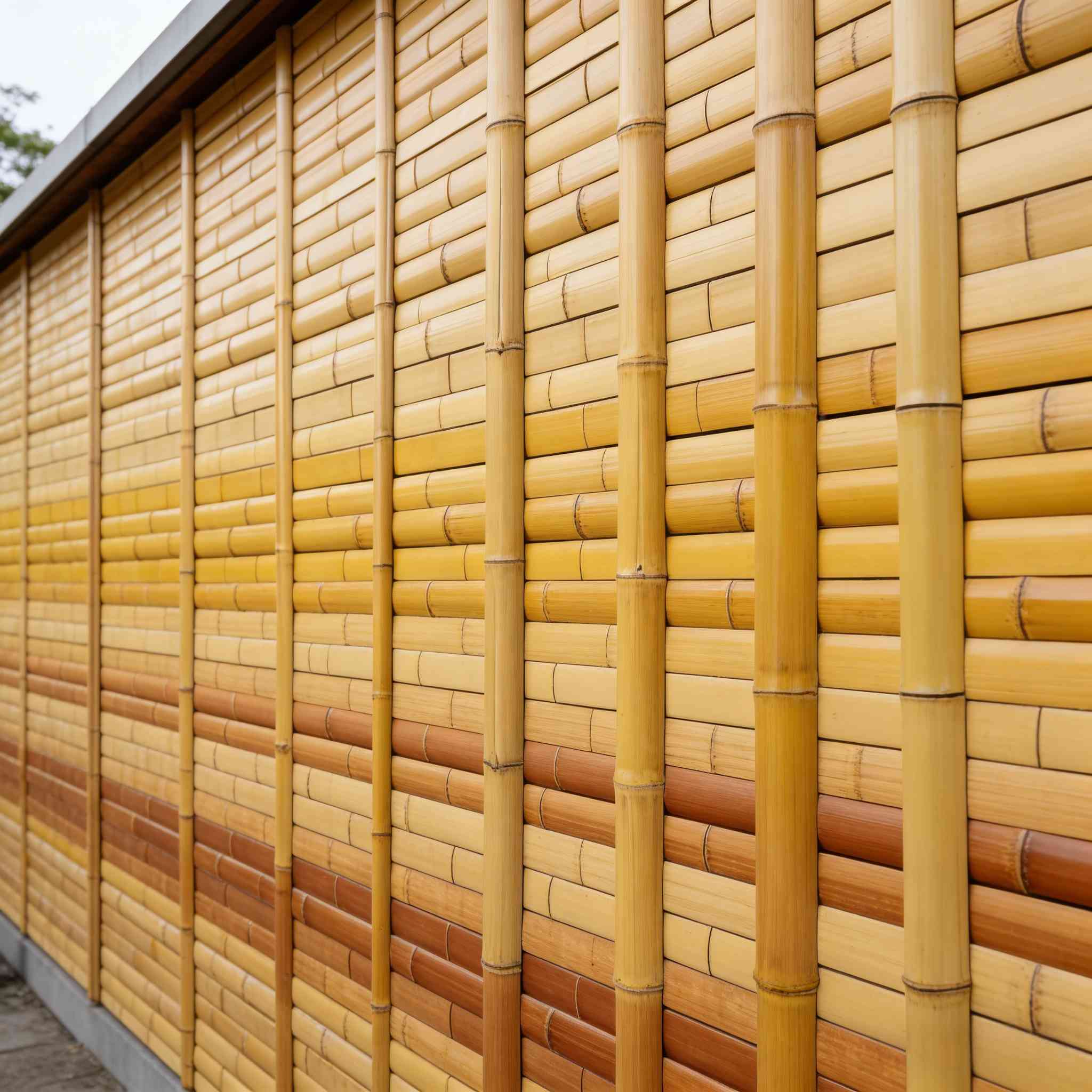
These engineered bamboo construction materials are designed to be spliced and joined. You can build custom-height bamboo fence systems and decorative bamboo walls with them. They also work well for many other bamboo pole uses in residential, commercial, and hospitality projects. With HDPE as the base material, spliced synthetic bamboo poles combine the appearance of real bamboo with the strength and stability of modern polymers.
Why HDPE Is Ideal for Spliced Synthetic Bamboo Poles
HDPE is widely used in outdoor products because it is strong and impact-resistant. It also stays stable under UV exposure. When used as the core for a spliced synthetic bamboo pole, HDPE provides superior bamboo pole strength. It often performs better than many natural alternatives.
The material resists cracking, warping, and moisture absorption. These issues are common with raw bamboo poles that face sun and rain. As a result, HDPE synthetic bamboo poles are more reliable in harsh climates and exposed locations.
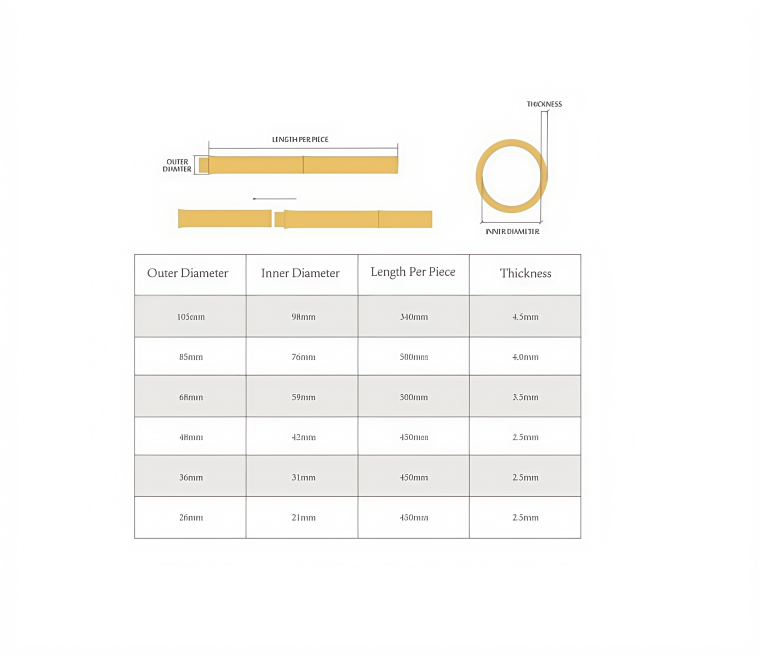
Another advantage of HDPE is its dimensional stability. Each pole can be manufactured to a precise diameter and wall thickness. This consistency simplifies installation and leads to a clean, uniform appearance for bamboo fencing and cladding. Natural culms vary in size and density. HDPE synthetic bamboo poles instead offer predictable performance and load-bearing capacity. This is very important for tall bamboo privacy fence projects or areas with high wind loads.
HDPE also supports eco-friendly bamboo design goals. It extends the life of each installation and reduces replacements. Because HDPE-based poles last longer and need less maintenance, they cut material waste over time. Many HDPE products are recyclable as well. When combined with responsible sourcing and efficient production, they can support broader sustainability strategies.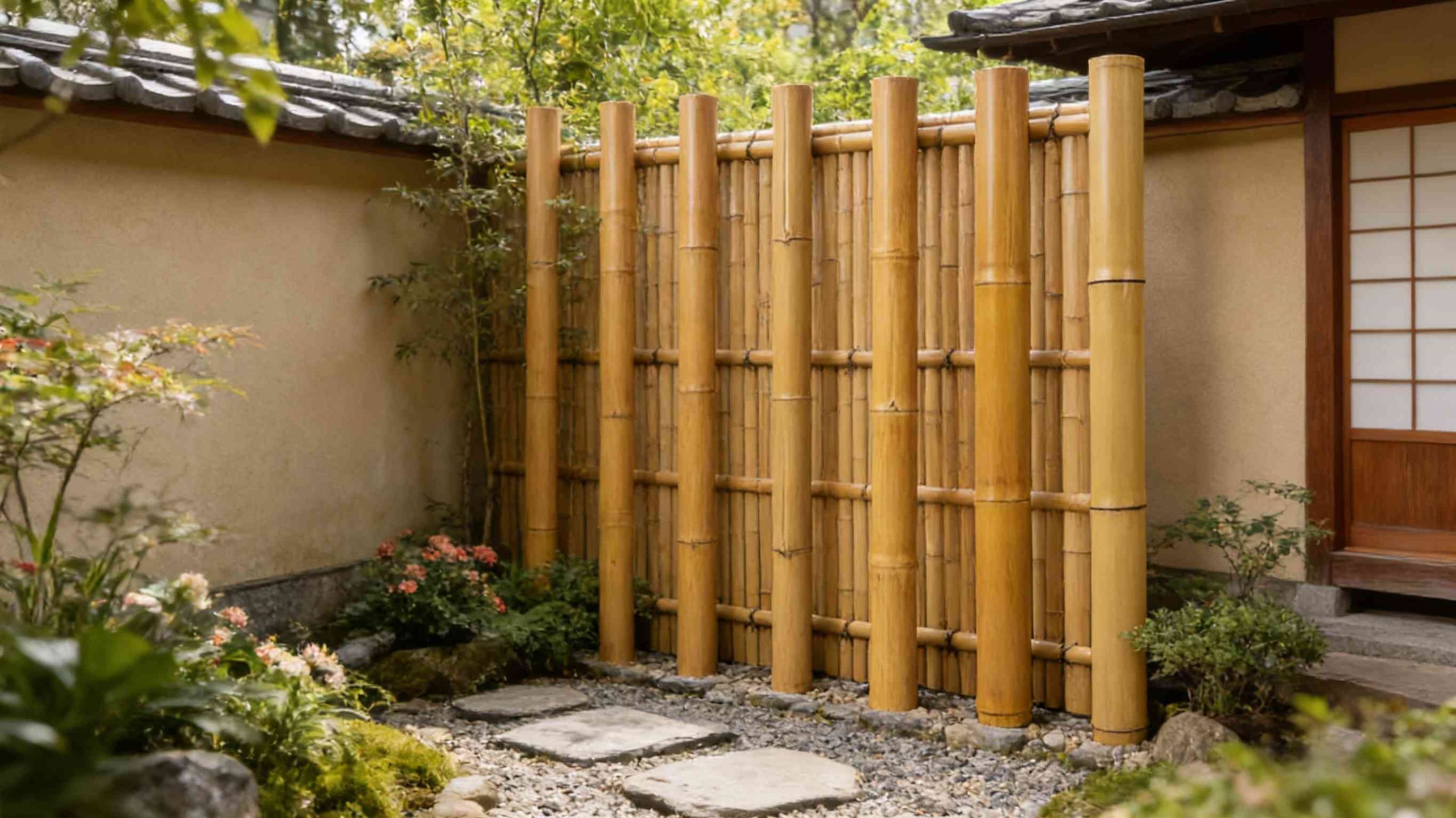
Key Benefits of HDPE Spliced Synthetic Bamboo Pole Systems
The primary benefit of an HDPE spliced synthetic bamboo pole system is durability. HDPE stands up well to UV exposure, temperature swings, and moisture. This makes it ideal for outdoor bamboo fence and bamboo wall applications. The poles keep their shape and color longer than many natural options. This is true even in coastal or high-humidity environments.
Low maintenance is another major advantage. Traditional green bamboo may need sealing, staining, or even replacement due to rot and insects. In contrast, HDPE synthetic bamboo poles usually require only simple cleaning. Mild soap and water are often enough. This low-maintenance profile appeals to busy homeowners and commercial venues. Resorts, restaurants, and theme parks can maintain a consistent tropical look without heavy upkeep.
HDPE spliced poles also offer strong design flexibility. Each bamboo pole can be cut and spliced to custom lengths. Installers can create different heights, patterns, and layouts. This flexibility is very useful for curved bamboo fencing and staggered-height screens. It also helps when building feature walls that mix horizontal and vertical arrangements.
Common Bamboo Pole Uses: Fencing, Walls, and More
HDPE bamboo poles are especially popular for bamboo fencing and bamboo privacy fence projects. Contractors can build strong, code-compliant fences by pairing HDPE bamboo poles with correctly set posts and rails. The consistent diameter and length of each pole help achieve straight, clean lines. This improves curb appeal and can raise property value.
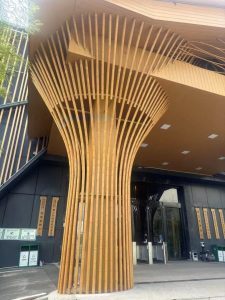
Beyond fences, HDPE-based bamboo construction materials are used for decorative bamboo wall cladding. They work indoors and outdoors. Spliced synthetic bamboo poles can be fastened to walls, columns, bar fronts, pergolas, and cabanas. This creates a resort-style aesthetic.
In commercial spaces, HDPE synthetic bamboo helps keep a cohesive brand appearance. Multiple locations can share the same look, regardless of local climate or weather.
Other bamboo pole uses include trellises, garden screens, signage frames, and outdoor kitchen accents. They also suit pool areas and lounge zones. HDPE is lightweight relative to its strength. This makes structures easier to handle and install than many traditional materials. At the same time, they still deliver an authentic bamboo appearance.
Comparing HDPE Synthetic Bamboo Poles with Natural Green Bamboo
When choosing between HDPE spliced synthetic bamboo poles and natural green bamboo, compare several factors. Aesthetics, performance, and lifecycle costs all matter. Natural bamboo offers genuine organic variation. It can be very appealing for small, low-exposure projects. However, it is vulnerable to moisture, insects, and UV radiation. It may require frequent maintenance and repair.
HDPE-based synthetic bamboo poles are engineered to solve these problems. They mimic the nodes, grain, and color tone of natural bamboo. At the same time, they provide superior bamboo pole strength and stability. Over time, an HDPE spliced synthetic bamboo pole is less likely to split, fade, or deform.
The initial cost can be higher than some natural options. However, reduced maintenance and longer service life often make HDPE more cost-effective.
From a sustainability perspective, HDPE poles support eco-friendly bamboo design. They extend replacement cycles and reduce waste. Many projects also pair HDPE bamboo with other environmentally conscious materials. Together, these systems help achieve broader green-building goals.
Installing a Bamboo Privacy Fence with HDPE Spliced Synthetic Bamboo Poles
Installing a bamboo privacy fence with HDPE spliced synthetic bamboo poles follows standard fencing best practices. The HDPE material adds convenience and precision. Begin by planning your fence line and marking it clearly. Set posts to the correct depth and spacing. Make sure they meet local building codes and align properly.
Once posts and rails are in place, cut HDPE bamboo poles to length. Splice them as needed to reach the desired fence height. Attach the HDPE poles to horizontal rails or backing panels. Use rust-resistant screws, clamps, or brackets that the manufacturer recommends.
Because HDPE poles are consistent in size and shape, they are easy to align. You can place them tightly together to improve privacy and reduce gaps. For a polished, eco-friendly bamboo look, frame the fence with matching caps and trim boards. You can also add decorative elements that complement the HDPE material.
To support customers or readers, link to your own step-by-step guide. An internal bamboo fence installation article improves usability and strengthens internal linking for SEO.
Maintenance Tips for HDPE Bamboo Fencing and Walls
One of the most appealing features of HDPE bamboo poles is simple maintenance. To keep your bamboo fence or bamboo wall looking its best, rinse the surfaces from time to time. This removes dust and debris. For tougher buildup, use mild soap and water with a soft brush or cloth. Avoid harsh solvents or abrasive tools. These can dull the finish.
Inspect fasteners and structural parts once or twice a year. Do this especially after severe weather. HDPE provides excellent bamboo pole strength, but hardware can still loosen over time. Confirm that posts, brackets, and screws stay secure. In commercial or high-traffic areas, carry out more frequent checks. This helps preserve both safety and appearance.
With proper installation and basic care, an HDPE spliced synthetic bamboo pole system can serve for many years. You can create a relaxed backyard bamboo privacy fence or a striking bamboo wall feature. You can also design a complete outdoor living environment. In all these cases, HDPE synthetic bamboo poles deliver the look of natural bamboo. At the same time, they provide the performance and reliability of advanced polymer technology.
More help
When considering sustainable building materials, the decision to choose HDPE (high-density polyethylene) spliced synthetic bamboo poles can not only meet aesthetic demands but also support environmental goals through their long-term durability and low maintenance needs (source: U.S. Green Building Council https://www.usgbc.org/, Green Building Advisor https://www.greenbuildingadvisor.com/). According to standards from ASTM International, building components made from HDPE are able to withstand harsh weather conditions while reducing resource waste over their lifecycle (source: ASTM International https://www.astm.org/). Furthermore, research indicates that the use of synthetic materials can enhance the overall efficiency and sustainability of projects (source: Springer https://www.springer.com/journal/10853, World Green Building Council https://www.worldgbc.org/).